Understanding Data Privacy in Smart Homes: Regulations and User Rights
Understanding Data Privacy in Smart Homes: Regulations and User Rights
As our homes become increasingly connected, the convenience of smart devices brings a growing concern: data privacy in smart homes. From smart thermostats learning our daily routines to voice assistants recording commands, these technologies collect a vast amount of personal data. This article will demystify the complex landscape of data privacy in smart homes, exploring the regulations designed to protect you and outlining your fundamental user rights. We’ll delve into how your data is collected, what safeguards are in place, and practical steps you can take to enhance your digital security.
Key Points:
- Smart homes collect extensive personal data through various devices.
- International and regional regulations aim to protect user privacy.
- Users have rights concerning data access, correction, and deletion.
- Proactive security measures are crucial for safeguarding smart home data.
- Understanding device settings is key to managing your privacy.
The Rise of Connected Living and Its Data Footprint
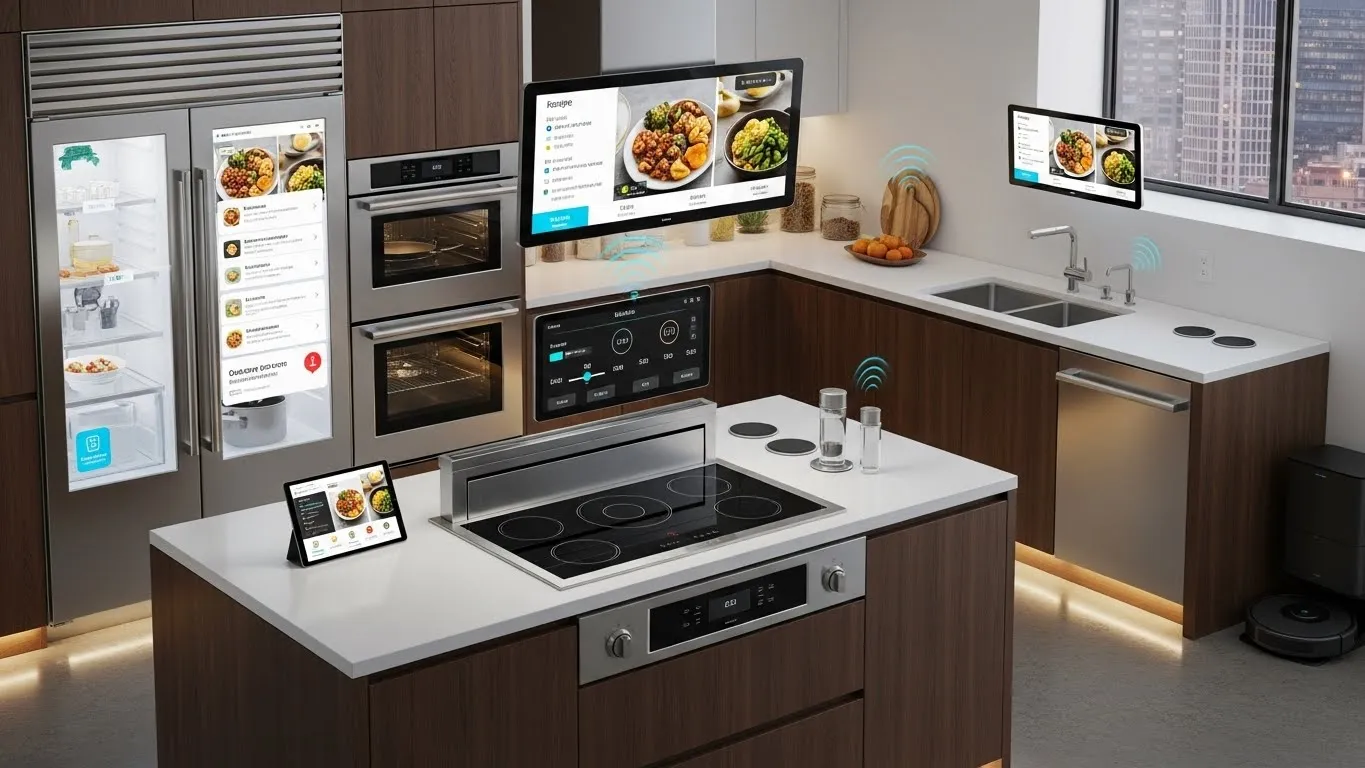
The allure of a smart home is undeniable: automated lighting, climate control, and intelligent kitchen appliances that simplify daily tasks. However, this seamless integration relies on a constant flow of data. Every interaction, every command, and often even passive presence, generates data points. Your smart speaker might record voice commands, while a smart refrigerator could track your grocery habits. This vast collection of personal data forms the backbone of the smart home experience but also presents significant IoT privacy concerns.
These connected devices, including those in the Smart Kitchen Appliances category, often operate with built-in sensors, microphones, and cameras. They learn your preferences to offer a more personalized experience. However, this learning process inherently means gathering information about your lifestyle, habits, and even the people present in your home. The challenge lies in ensuring this data is collected responsibly, stored securely, and used ethically, without compromising user trust or fundamental rights.
Navigating Data Protection Laws and Regulations for Smart Homes
The regulatory landscape governing data privacy in smart homes is evolving, with several key frameworks shaping how companies handle consumer data. These regulations aim to give individuals more control over their personal information and hold device manufacturers accountable. Understanding these data protection laws is crucial for both consumers and businesses.
Global and Regional Data Protection Frameworks
- General Data Protection Regulation (GDPR): Implemented in the European Union, the GDPR is one of the most comprehensive privacy laws globally. It mandates strict rules for data collection, storage, and processing, giving individuals rights like access, rectification, erasure, and portability of their data. Its extraterritorial reach means it impacts many companies operating outside the EU if they process data of EU citizens. For smart home device manufacturers, GDPR compliance often means implementing privacy-by-design principles from the outset.
- California Consumer Privacy Act (CCPA) / California Privacy Rights Act (CPRA): These US state-level laws grant California residents specific rights regarding their personal information, including the right to know what data is collected, to delete it, and to opt-out of its sale. CPRA further strengthens these protections, introducing the California Privacy Protection Agency.
- Other National Laws: Countries like Canada (PIPEDA), Brazil (LGPD), and Australia (Privacy Act 1988) also have robust
data protection lawsthat apply to smart home ecosystems. These laws generally focus on consent, purpose limitation, data minimization, and security.
A recent report by the Future of Privacy Forum (FPF) in 2024 highlighted the increasing regulatory focus on smart home security and privacy, noting that "regulators worldwide are scrutinizing IoT device practices, particularly around default security settings and transparent data handling." This indicates a growing trend towards greater accountability for manufacturers.
How Smart Home Devices Collect Data and What It Means for You
Understanding how smart home devices collect data is the first step in managing your privacy. Devices gather information through various mechanisms, often without explicit, granular user consent for each data point.
- Sensors: Motion sensors, temperature sensors, and light sensors collect environmental data about your home. While often anonymized, patterns can reveal presence, absence, and daily routines.
- Microphones and Cameras: Voice assistants (e.g., Alexa, Google Assistant) record audio commands, and smart cameras capture video footage. While vendors claim these are processed securely, the potential for unauthorized access or misuse remains a concern. The Electronic Frontier Foundation (EFF) noted in 2023 that "even short audio snippets can contain significant personal identifiers if not handled carefully."
- Usage Data: Information about how you interact with apps and devices (e.g., when you turn lights on, adjust the thermostat, or open your smart oven) provides valuable insights into your habits and preferences. This data can be used for service improvement, but also for targeted advertising.
- Third-Party Integration: Many smart home devices integrate with other services (e.g., music streaming, delivery services). This integration can lead to data sharing between different companies, broadening the scope of data collection.
This collection provides a rich tapestry of personal information, often going beyond what’s necessary for device functionality. Securing smart home data therefore requires a holistic approach, considering not just the device itself but its entire operational ecosystem.
User Rights and Taking Control of Your Smart Home Privacy
Empowerment in the smart home era comes from knowing your user rights smart devices entail and actively exercising them. You are not merely a passive data source; you have significant control over your digital footprint.
Key User Rights
- Right to Know: You have the right to be informed about what personal data is being collected about you, and for what purpose. This should be clearly stated in privacy policies.
- Right to Access: You can request access to the specific data a company holds about you. This allows you to review and understand your collected information.
- Right to Rectification/Correction: If your data is inaccurate or incomplete, you have the right to have it corrected.
- Right to Erasure (Right to Be Forgotten): Under certain conditions, you can request that your personal data be deleted. This is particularly relevant for sensitive data or data no longer necessary for the original purpose.
- Right to Object/Opt-Out: You can object to the processing of your data for specific purposes, such as direct marketing, or opt-out of the sale of your personal information.
- Right to Data Portability: You may have the right to receive your personal data in a structured, commonly used, and machine-readable format, and transmit it to another controller.
Understanding Data Privacy in Smart Homes: Regulations and User Rights inherently means understanding these core entitlements. To truly take control, users should proactively engage with device settings and privacy dashboards provided by manufacturers. For more insights on safeguarding your setup, consider reading our article on Smart Home Security Best Practices.
Differentiated Content: Emerging Trends and Proactive Privacy Management
The landscape of data privacy in smart homes is constantly shifting. Beyond existing regulations, two key areas are emerging that offer differentiated value and empower users: privacy-enhancing technologies and the push for decentralized data ownership.
Firstly, on-device processing and edge computing are gaining traction. Instead of sending all raw data to cloud servers for analysis, more smart devices are now processing data locally. For example, some smart cameras can detect and identify people or pets directly on the device, sending only alerts rather than raw video streams to the cloud. This significantly reduces the amount of sensitive data transmitted and stored externally, enhancing user privacy. A 2025 analysis by TechCrunch highlighted that "on-device AI for privacy-sensitive applications is becoming a major differentiator for smart home manufacturers." This trend allows for powerful features without compromising privacy as severely.
Secondly, there's a growing movement towards decentralized data ownership and user-centric data governance. While still nascent, this concept envisions users having direct control over their data, deciding precisely who can access it, for how long, and for what purpose, often through blockchain-based solutions. This shifts the paradigm from companies managing user data to users managing their own data. Imagine a future where your smart oven data is only shared with a recipe app you explicitly authorize, for a limited time, and for a specific baking purpose. This provides a truly unique angle to understanding and securing your digital self within the connected home.
Practical Steps for Securing Your Smart Home Data
While regulations provide a framework, your actions are paramount in securing smart home data. Here are actionable steps:
- Review Privacy Policies Carefully: Before purchasing any smart device, read its privacy policy. Look for clear statements on data collection, storage, sharing, and retention. If it's vague, reconsider.
- Adjust Device Settings: Most smart devices offer privacy settings. Take the time to explore them. Disable unnecessary features like microphone always-on listening if you only use voice commands occasionally. Manage permissions for apps connected to your smart devices.
- Strong, Unique Passwords: This basic security measure is often overlooked. Use strong, unique passwords for all your smart devices and Wi-Fi network.
- Regular Software Updates: Keep your devices updated. Manufacturers often release updates that patch security vulnerabilities.
- Understand Data Sharing: Be aware of how your data might be shared with third parties. Opt-out of data sharing for marketing purposes whenever possible.
- Consider Data Minimization: Only provide the necessary information. If a smart device asks for data that doesn't seem relevant to its core function, question why it's needed.
- Network Segmentation: For advanced users, consider setting up a separate Wi-Fi network for your smart devices (an IoT VLAN). This isolates them from your main network, limiting potential access to your more sensitive devices like computers and phones.
- Choose Privacy-Focused Brands: Some manufacturers prioritize privacy and security in their product design. Research brands that have a strong track record in this area. For guidance, see our article on Choosing Privacy-Friendly Smart Devices.
This proactive approach significantly enhances your personal data privacy in smart homes, allowing you to enjoy the benefits of smart technology with greater peace of mind.
Frequently Asked Questions About Smart Home Data Privacy
Q1: Do smart home devices listen to my conversations all the time?
While many smart devices, especially voice assistants, have "always-on" microphones, they are typically designed to only process and record audio after detecting a specific wake word (e.g., "Alexa," "Hey Google"). However, there have been documented instances of accidental recordings or human review of anonymized snippets to improve accuracy. Users should check device settings to understand listening modes and data retention policies, and consider muting microphones when not in use for enhanced privacy.
Q2: Can my smart home data be sold to other companies?
Yes, depending on the device manufacturer's privacy policy and the regulations in your region, your smart home data can be sold or shared with third parties, often for marketing or research purposes. Regulations like CCPA/CPRA give consumers the right to opt-out of the sale of their personal information. Always review privacy policies carefully and exercise your opt-out rights where available to prevent unauthorized data sharing.
Q3: How do I know if my smart home devices are secure from hackers?
Ensuring smart home security involves several steps. Firstly, choose devices from reputable manufacturers known for strong security practices. Regularly update firmware, use strong and unique passwords, and enable two-factor authentication where available. Segmenting your smart devices onto a separate Wi-Fi network can also add a layer of protection. Be cautious about connecting to public Wi-Fi networks with your smart devices, as they can be vulnerable.
Q4: What are the main benefits of strong data protection laws for smart home users?
Strong data protection laws, like GDPR and CCPA, primarily benefit smart home users by giving them greater control and transparency over their personal data. They mandate that companies be transparent about data collection, storage, and usage, and provide users with rights such as accessing, correcting, and deleting their data. These laws also hold manufacturers accountable for implementing robust security measures, thereby reducing the risk of data breaches and misuse, fostering greater trust in smart home technology.
Conclusion: Empowering Your Connected Future with Privacy
The proliferation of smart home technology brings unparalleled convenience, but it also underscores the critical importance of data privacy in smart homes. As we've explored, understanding the intricate web of data collection, the evolving regulatory landscape, and your fundamental user rights is not just beneficial—it's essential. By being informed, proactive, and discerning in your choices, you can harness the power of smart living without sacrificing your privacy.
We encourage you to delve deeper into your devices' settings, advocate for stronger privacy standards, and stay informed about the latest developments in IoT privacy concerns. Your digital footprint in the smart home is yours to protect. What steps will you take today to enhance your smart home privacy? Share your thoughts in the comments below!
Further Reading:
- Explore more articles in our Smart Kitchen Appliances category for product-specific privacy tips.
- Discover strategies for choosing secure devices by reading Choosing Privacy-Friendly Smart Devices.
- Learn about general security measures in Smart Home Security Best Practices.
Timeliness Note: This article reflects current understanding and regulations up to late 2024 / early 2025. The field of data privacy and smart home technology is rapidly evolving. We recommend reviewing this information periodically, ideally every 6-12 months, for the latest updates on regulations and best practices.
Expandable Subtopics for Future Updates:
- AI Ethics in Smart Homes: Deep dive into the ethical implications of AI and machine learning in smart devices, including bias and decision-making transparency.
- Privacy in Health-Focused Smart Devices: Specific considerations for devices that collect biometric and health data (e.g., smart watches, sleep trackers integrated into the home).
- The Role of International Standards Bodies: How organizations like ISO and NIST are developing voluntary standards for IoT security and privacy.