Smart Home Automation Platforms: Choosing the Right One
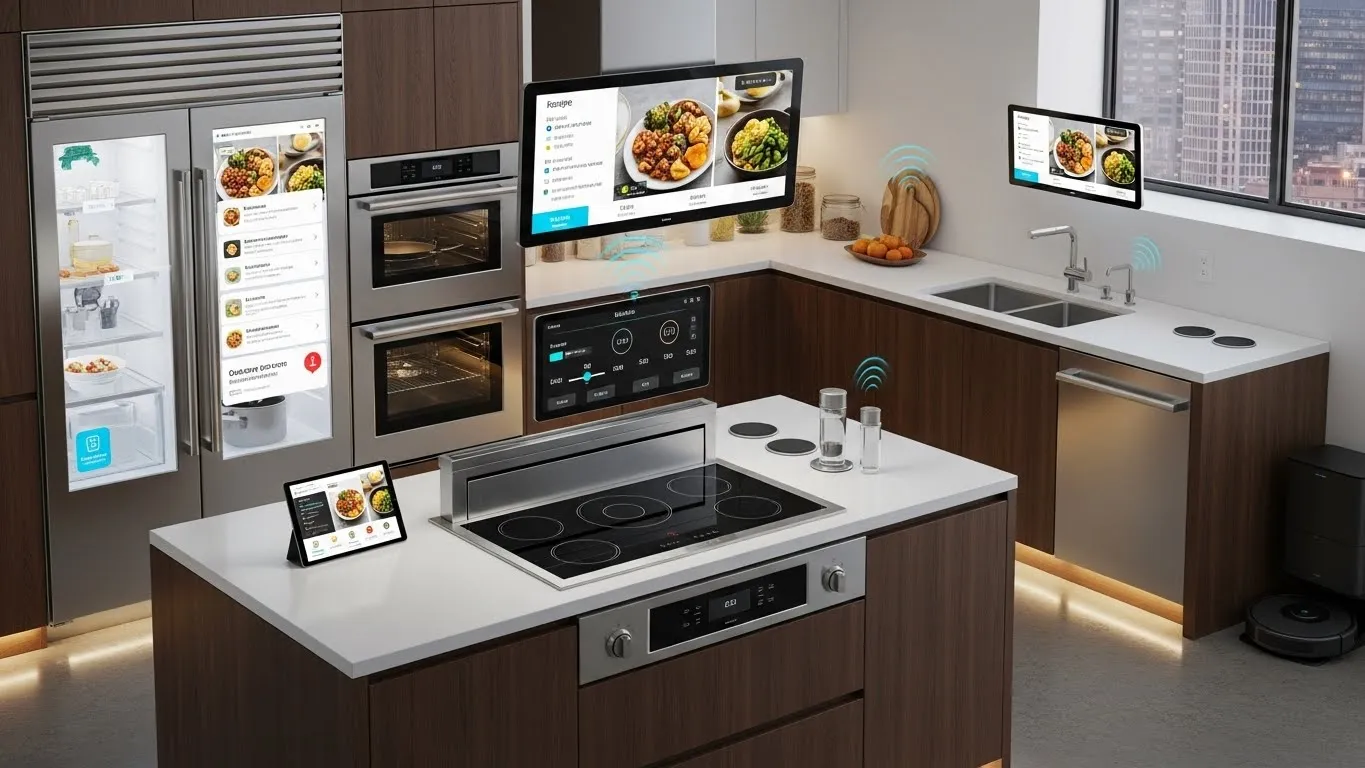
Smart Home Automation Platforms: Choosing the Right One for Your Connected Life
The dream of a truly smart home is closer than ever, with a dazzling array of smart home automation platforms promising to simplify your life, enhance security, and entertain you effortlessly. But with so many options available, from established giants to emerging contenders, how do you choose the right one? Selecting the ideal platform is crucial for a seamless and enjoyable connected living experience. It’s about more than just buying gadgets; it’s about building an ecosystem that works harmoniously for your specific needs and preferences.
This guide will demystify the world of smart home platforms, helping you understand the key factors to consider. We'll explore the different types of platforms, essential features, compatibility considerations, and how to make a decision that future-proofs your smart home investment.
Key Points:
- Compatibility is King: Ensure your chosen platform supports the devices you already own or plan to buy.
- Ease of Use: An intuitive interface and simple setup are vital for a positive user experience.
- Ecosystem Breadth: Consider the range of devices and services integrated with the platform.
- Security and Privacy: Understand how your data is handled and protected.
- Future Scalability: Choose a platform that can grow with your smart home ambitions.
Understanding Smart Home Automation Platforms
At its core, a smart home automation platform acts as the central nervous system for your connected devices. It allows disparate smart products—lights, thermostats, locks, speakers, security cameras, and more—to communicate with each other and with you, often through a single app or voice assistant. These platforms translate your commands into actions, enabling sophisticated automations like "good morning" routines that turn on lights, adjust the thermostat, and start your coffee maker.
The landscape of smart home platforms can be broadly categorized by their underlying technology and primary control method:
Voice Assistant-Centric Platforms
These are arguably the most popular entry points for smart homes. They are built around intelligent voice assistants like Amazon Alexa, Google Assistant, and Apple's Siri.
- Amazon Alexa: Known for its wide compatibility with a vast range of third-party devices and its extensive "Skills" ecosystem. Alexa devices, like Echo speakers, are prevalent and offer a robust smart home hub experience.
- Google Assistant: Integrates deeply with Google's services and Android devices. It's praised for its conversational AI and strong search capabilities, making it intuitive for complex commands. Nest Hub devices serve as visual control points.
- Apple HomeKit: Focuses on security and privacy, requiring devices to meet Apple's stringent certification standards. It offers a streamlined experience within the Apple ecosystem, controlled via the Home app and Siri on iPhones, iPads, and HomePods.
Hub-Based Platforms
These platforms often utilize a physical hub that acts as a translator between different wireless protocols (like Zigbee and Z-Wave) and your home network. This can offer more robust local control and greater reliability for complex setups.
- Samsung SmartThings: A highly versatile platform that supports a broad spectrum of devices and protocols, including Wi-Fi, Zigbee, and Z-Wave. It offers powerful automation capabilities and a good balance between user-friendliness and advanced control.
- Hubitat Elevation: Popular among power users, Hubitat offers local processing for automations, meaning they can run even without an internet connection. This enhances speed and reliability for critical functions.
Manufacturer-Specific Platforms
Many smart device manufacturers offer their own proprietary platforms and apps, which may or may not integrate well with broader ecosystems. While convenient for their own brand's products, they can lead to a fragmented experience if you mix and match brands. Examples include Philips Hue (for lighting) or Ring (for security).
Key Features to Consider When Choosing a Smart Home Platform
Making an informed decision requires evaluating several critical aspects of each platform.
1. Device Compatibility and Ecosystem Support
This is arguably the most important factor. A platform is only as good as the devices it can control.
- Protocol Support: Does it support Wi-Fi, Bluetooth, Zigbee, Z-Wave, Thread, or Matter?
- Wi-Fi is common but can congest your network.
- Zigbee and Z-Wave are low-power mesh networks ideal for dedicated smart home devices.
- Thread is another low-power mesh protocol gaining traction, particularly with Matter.
- Matter is an emerging connectivity standard aiming to unify smart home devices across different brands and platforms. A Matter-compatible platform offers excellent future-proofing.
- Brand Integration: Check if popular brands you own or wish to buy (e.g., Philips Hue, Ecobee, August, Arlo) are supported.
- "Works With" Labels: Look for "Works with Alexa," "Works with Google Assistant," or "Works with Apple HomeKit" badges on device packaging.
2. Ease of Setup and User Interface
A smart home should simplify, not complicate.
- Intuitive App Design: The platform's mobile app should be easy to navigate, with clear menus for device control, automation creation, and settings.
- Simple Device Pairing: Adding new devices should be a straightforward process, ideally guided step-by-step.
- Voice Control Integration: Seamless integration with your preferred voice assistant is key for hands-free operation.
3. Automation and Customization Capabilities
This is where the "smart" in smart home truly shines.
- Routine/Scene Creation: Can you easily create custom automations (e.g., "Movie Night" dims lights, closes blinds, turns on the TV)?
- Conditional Logic: Does the platform support "if-then" scenarios (e.g., IF motion is detected THEN turn on light)?
- Geofencing: Can automations be triggered based on your location (e.g., lights turn off when you leave home)?
- Advanced Rules Engines: For power users, more complex rule-building capabilities can unlock sophisticated scenarios.
4. Security and Privacy
With more connected devices comes greater responsibility for protecting your data.
- Data Encryption: How is your data transmitted and stored?
- Account Security: What measures are in place for secure user authentication (e.g., two-factor authentication)?
- Privacy Policy: Understand what data the platform collects and how it is used. Platforms like Apple HomeKit are known for their strong privacy focus.
- Local vs. Cloud Processing: Some platforms process automations locally, which can enhance both speed and privacy, as data doesn't need to be sent to a cloud server. Hubitat is a prime example of a locally-focused platform.
5. Reliability and Stability
A smart home needs to work consistently.
- Uptime: How often do cloud-based services experience outages?
- Local Control: Platforms offering local control for critical functions can ensure your home remains responsive even if the internet goes down.
- Software Updates: Regular updates are crucial for bug fixes, security patches, and adding new features.
Differentiating Factor: The Rise of Matter and Thread
One of the most significant developments shaping the future of smart home automation platforms is the introduction of Matter. This industry-backed standard, championed by companies like Apple, Google, Amazon, and Samsung, aims to simplify interoperability.
- Unified Connectivity: Matter devices are designed to work seamlessly across different platforms that support the standard, breaking down ecosystem barriers.
- Enhanced Security: Matter builds on Thread and Wi-Fi, incorporating robust security protocols.
- Future-Proofing: Investing in a platform or devices that support Matter is a wise move for long-term compatibility.
Alongside Matter, Thread is a low-power, IP-based wireless networking protocol that acts as a backbone for Matter devices. Devices that support Thread can create a mesh network, extending the range and reliability of your smart home. As more devices adopt Thread, it will become increasingly important for a robust and responsive smart home.
Real-World Considerations and Recommendations
Choosing a smart home platform often involves a trade-off between ease of use, compatibility, and advanced features.
- For Beginners: If you're just starting, Amazon Alexa or Google Assistant offer a low barrier to entry with vast device support. Their voice control capabilities are excellent for everyday tasks. For Apple users, HomeKit provides a secure and integrated experience.
- Data from a recent consumer survey published in late 2024 indicated that over 60% of smart home users begin their journey with a voice assistant platform.
- For the Tech-Savvy: If you desire deep customization, local control, and the ability to integrate a wider array of devices, platforms like Samsung SmartThings or Hubitat Elevation might be more appealing. SmartThings offers a good balance, while Hubitat caters to those who want ultimate control and offline functionality.
- For Maximum Interoperability: With the advent of Matter, prioritize platforms and devices that explicitly state Matter compatibility. This will offer the greatest flexibility as the smart home market evolves.
My personal experience with integrating various smart devices has shown that while convenience is paramount, the ability to create complex, custom automations truly unlocks the potential of a smart home. I've found that platforms with strong community support, like those associated with SmartThings, can be invaluable for troubleshooting and discovering new automation ideas.
Frequently Asked Questions (FAQ)
Q1: What is the best smart home automation platform for beginners? A1: For beginners, Amazon Alexa or Google Assistant are excellent choices. They offer wide device compatibility, intuitive voice control, and easy setup through user-friendly apps. These platforms make it simple to start controlling lights, thermostats, and other basic smart devices.
Q2: How important is Matter support when choosing a smart home platform? A2: Matter support is becoming increasingly important. It's an industry standard designed to ensure devices from different manufacturers work together seamlessly across various platforms. Choosing a Matter-compatible platform offers greater flexibility and future-proofing for your smart home.
Q3: Can I use multiple smart home platforms in my home? A3: While technically possible, it's generally not recommended for a streamlined experience. Managing multiple apps and ecosystems can become complex and lead to device conflicts. It's usually best to commit to one primary platform that supports the majority of your desired devices.
Q4: How do I ensure my smart home is secure? A4: Prioritize platforms with strong security features like data encryption and two-factor authentication. Regularly update your device firmware and router settings. Be mindful of the privacy policies of the platforms and devices you choose, opting for those that minimize data collection.
Conclusion and Next Steps
Choosing the right smart home automation platform is a foundational decision that impacts the entire user experience of your connected home. By carefully considering device compatibility, ease of use, automation capabilities, security, and the growing importance of standards like Matter, you can select a platform that aligns with your current needs and future aspirations. Don't rush the decision; research thoroughly and perhaps start with a single room or a few core devices to test the waters.
Your smart home journey should be one of increasing convenience and enjoyment. Explore the options, ask questions, and build an ecosystem that truly works for you.
What are your biggest challenges in choosing a smart home platform? Share your thoughts in the comments below!
For further exploration, consider reading articles on the benefits of localized smart home control and understanding different wireless communication protocols for smart devices.