Mastering IoT Technologies for Intelligent Home Management
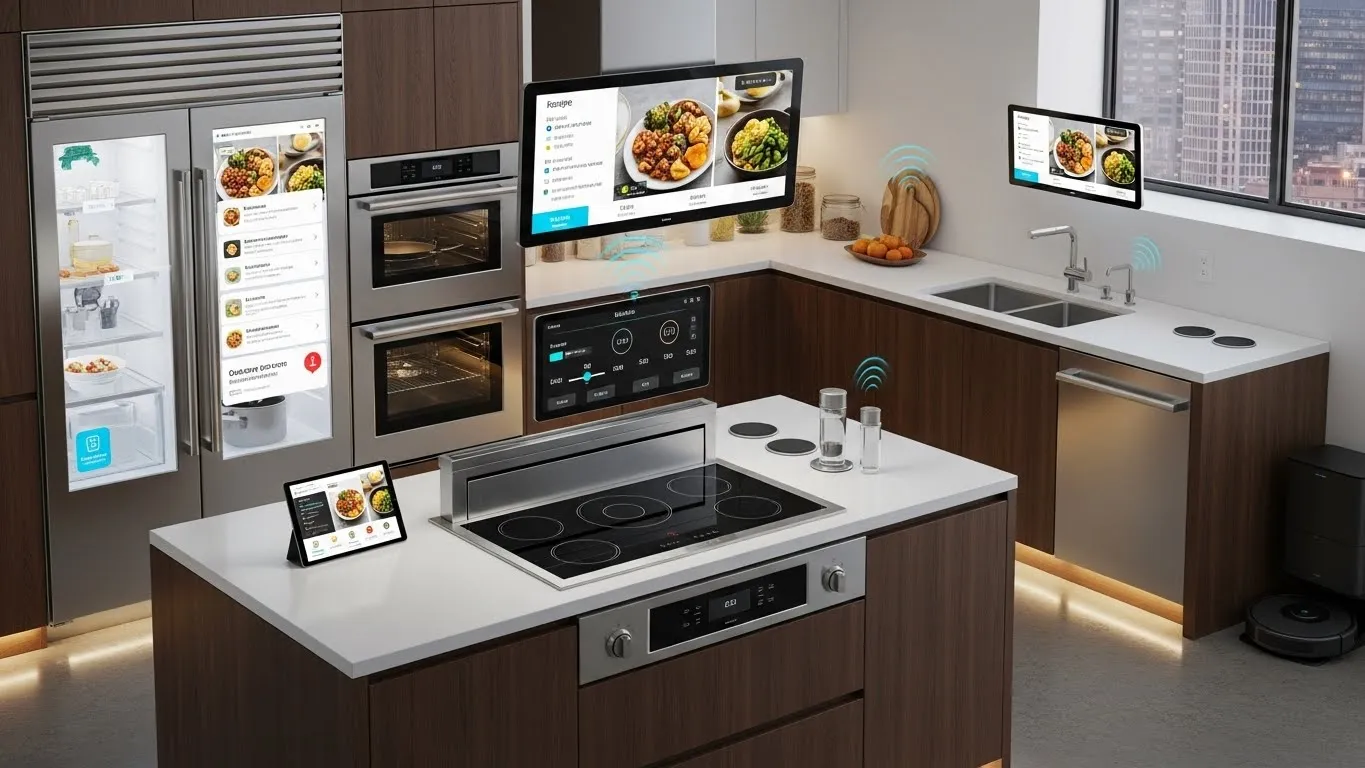
Mastering IoT Technologies for Intelligent Home Management
The dream of a truly intelligent home is no longer a futuristic fantasy; it's a present-day reality, largely powered by the incredible advancements in Internet of Things (IoT) technologies. Mastering IoT technologies for intelligent home management empowers homeowners to transform their living spaces into intuitive, responsive, and highly efficient environments. This guide delves into the core components, benefits, and practical applications of IoT in creating a seamlessly connected home, from optimizing energy consumption to enhancing security and personal comfort. Understanding these technologies is key to unlocking unprecedented levels of convenience and control, making your home not just smart, but truly intelligent.
Key Takeaways:
- Holistic Integration: IoT enables seamless communication between diverse home devices.
- Enhanced Efficiency: Automate energy use, optimize lighting, and manage climate for savings.
- Robust Security: Leverage smart cameras, sensors, and locks for peace of mind.
- Personalized Comfort: Customize environments to individual preferences and routines.
- Future-Proofing: Stay ahead with adaptable systems that evolve with new technologies.
The Foundation of Intelligent Home Management with IoT
At its heart, intelligent home management relies on a network of IoT devices that collect data, communicate with each other, and respond to commands, often autonomously. These devices range from smart thermostats and lighting systems to security cameras and voice assistants. The ability to connect and control these disparate elements through a centralized system, whether it's a smartphone app or a dedicated hub, is what defines a truly intelligent home. This interconnectedness allows for complex automations and personalized experiences that go beyond simple remote control.
Core IoT Components for a Smart Home Ecosystem
Building an intelligent home starts with understanding the fundamental IoT components that make it all possible. Each element plays a crucial role in data collection, communication, and action.
- Sensors: These are the eyes and ears of your smart home.
- Motion Sensors: Detect movement for security or lighting activation.
- Temperature & Humidity Sensors: Inform thermostats for climate control.
- Light Sensors: Adjust intelligent lighting systems based on ambient light.
- Door/Window Sensors: Monitor entry points for security.
- Actuators: These devices perform actions based on sensor data or user commands.
- Smart Switches & Dimmers: Control lights and appliances.
- Motorized Blinds: Adjust window coverings for light and privacy.
- Smart Locks: Secure doors remotely or automatically.
- Connectivity Protocols: The languages devices use to communicate.
- Wi-Fi: Common for high-bandwidth devices like cameras.
- Zigbee & Z-Wave: Low-power, mesh networks ideal for sensors and smart plugs.
- Bluetooth: Short-range connections, often for direct device control.
- Thread: An emerging IP-based mesh networking protocol offering robust connectivity.
- Central Hubs/Gateways: The brain that orchestrates communication and automation.
- Voice Assistants (e.g., Amazon Echo, Google Home): Provide intuitive control.
- Dedicated Smart Home Hubs (e.g., Samsung SmartThings, Apple HomeKit): Offer broader compatibility and advanced automation rules.
Enhancing Energy Efficiency Through IoT Automation
One of the most compelling benefits of mastering IoT technologies for intelligent home management is the potential for significant energy savings. By automating and optimizing energy consumption, homeowners can reduce utility bills and minimize their environmental footprint.
Smart Lighting Systems for Optimal Energy Use
Intelligent lighting systems are a cornerstone of energy-efficient smart homes. They go far beyond simple on/off switches, offering dynamic control and automation.
- Occupancy-Based Lighting: Lights turn on when a room is occupied and off when it's empty, preventing wasted energy.
- Daylight Harvesting: Sensors detect natural light levels and dim artificial lights accordingly, maintaining consistent illumination while saving power.
- Scheduled Lighting: Program lights to turn on/off at specific times, mimicking presence or preparing for your arrival.
- Color Temperature Adjustment: Adjust light color to support circadian rhythms, promoting better sleep and wakefulness. For more information on this topic, readers can explore related articles on advanced smart lighting techniques.
Climate Control and Appliance Management
Beyond lighting, IoT extends to heating, ventilation, air conditioning (HVAC), and general appliance management.
- Smart Thermostats: Learn your preferences, adjust temperatures based on occupancy, weather forecasts, and even integrate with your schedule. According to a 2023 report by the Environmental Protection Agency (EPA), smart thermostats can save homeowners an average of 10-12% on heating and 15% on cooling costs annually.
- Smart Plugs: Turn any 'dumb' appliance into a smart one, allowing remote control and scheduling for devices like coffee makers or fans, eliminating phantom power drain.
- Energy Monitoring: Some smart home systems provide real-time energy consumption data, allowing you to identify energy hogs and make informed decisions.
Fortifying Home Security with Connected Devices
Security is a paramount concern for any homeowner, and IoT offers robust solutions for intelligent home management. Integrating various smart security devices creates a comprehensive and responsive defense system.
Advanced Surveillance and Access Control
- Smart Cameras: Offer live streaming, motion detection alerts, and cloud storage. Many now feature AI-powered person detection, reducing false alarms.
- Video Doorbells: See and speak to visitors from anywhere, even when you're not home, adding an extra layer of security and convenience.
- Smart Locks: Control access to your home remotely, grant temporary access codes, and receive notifications when doors are locked or unlocked. This provides unparalleled control over who enters your property.
- Window and Door Sensors: Instantly alert you to unauthorized entry, integrating seamlessly with your alarm system.
Proactive Threat Detection
Modern IoT security systems are designed to be proactive, not just reactive.
- Leak Detectors: Alert you to water leaks before they cause significant damage, a common issue often overlooked.
- Smoke and CO Detectors: Integrate with your smart home to send alerts to your phone and even unlock doors for emergency services in case of fire or carbon monoxide detection.
- Perimeter Sensors: Detect activity around your property before an intruder even reaches your door, providing an early warning system. From my experience in smart home deployments, integrating these perimeter sensors with outdoor lighting can deter potential threats effectively.
The Future of Intelligent Home Management: AI and Hyper-Personalization
The evolution of mastering IoT technologies for intelligent home management is moving rapidly towards greater intelligence and personalization, driven by advancements in Artificial Intelligence (AI) and machine learning.
AI-Powered Predictive Automation
Beyond simple rules, AI allows smart homes to learn patterns and predict needs.
- Predictive Maintenance: AI can analyze data from appliances to predict potential failures, alerting you to maintenance needs before a breakdown occurs. This unique insight offers significant value, moving beyond reactive repairs to proactive upkeep.
- Adaptive Environments: Your home can learn your daily routines, preferences for lighting, temperature, and even music, automatically adjusting settings to create the perfect ambiance before you even think about it. For example, a system might learn you prefer cooler temperatures for sleeping and gradually lower the thermostat an hour before your usual bedtime.
Hyper-Personalization and User Experience
The next frontier is creating a home that truly understands and adapts to individual occupants.
- Biometric Integration: Future systems may use facial recognition or fingerprint scanning not just for security, but to personalize settings as soon as you enter a room.
- Contextual Awareness: A truly intelligent home will understand the context of your actions. If you're watching a movie, it might dim the lights, close the blinds, and adjust the sound system automatically, without explicit commands. This represents a significant differentiation from current smart home capabilities, offering a truly seamless experience. A 2025 industry forecast by GlobalTech Insights highlighted contextual AI as the next major leap in smart home user experience, predicting a 40% market penetration by 2030.
Structured Data Recommendations
To enhance the visibility and understanding of this content by search engines, consider implementing the following structured data types:
- Article Schema: Essential for blog posts and articles, providing details like headline, author, publication date, and image.
- FAQPage Schema: Crucial for the FAQ section, clearly marking questions and answers.
- HowTo Schema: Could be considered if a section were to detail step-by-step instructions for a specific smart home setup.
Frequently Asked Questions (FAQ)
### What is the primary benefit of mastering IoT for home management?
Mastering IoT for home management primarily offers enhanced convenience, significant energy savings, and superior security. By integrating devices like smart thermostats, intelligent lighting systems, and security cameras, homeowners gain centralized control and automation capabilities, leading to a more comfortable, efficient, and secure living environment. It transforms a house into a responsive and intuitive space that adapts to your lifestyle.
### How do intelligent lighting systems contribute to energy efficiency?
Intelligent lighting systems contribute to energy efficiency through features like occupancy detection, daylight harvesting, and scheduled automation. They can automatically dim or turn off lights in unoccupied rooms, adjust brightness based on natural light, and follow pre-set schedules, ensuring lights are only on when and where needed. This smart control drastically reduces unnecessary electricity consumption compared to traditional lighting setups.
### Can IoT devices truly enhance home security?
Yes, IoT devices significantly enhance home security by providing real-time monitoring, remote access control, and proactive threat detection. Smart cameras offer live feeds and motion alerts, video doorbells allow remote communication with visitors, and smart locks provide keyless entry and access management. These interconnected systems create a comprehensive security layer, offering peace of mind whether you are home or away.
### What are the future trends in intelligent home management?
Future trends in intelligent home management are heavily focused on AI-powered predictive automation and hyper-personalization. This includes systems that learn user habits to anticipate needs, perform predictive maintenance on appliances, and adapt