Intelligent Home Management: Optimizing Energy & Security with IoT
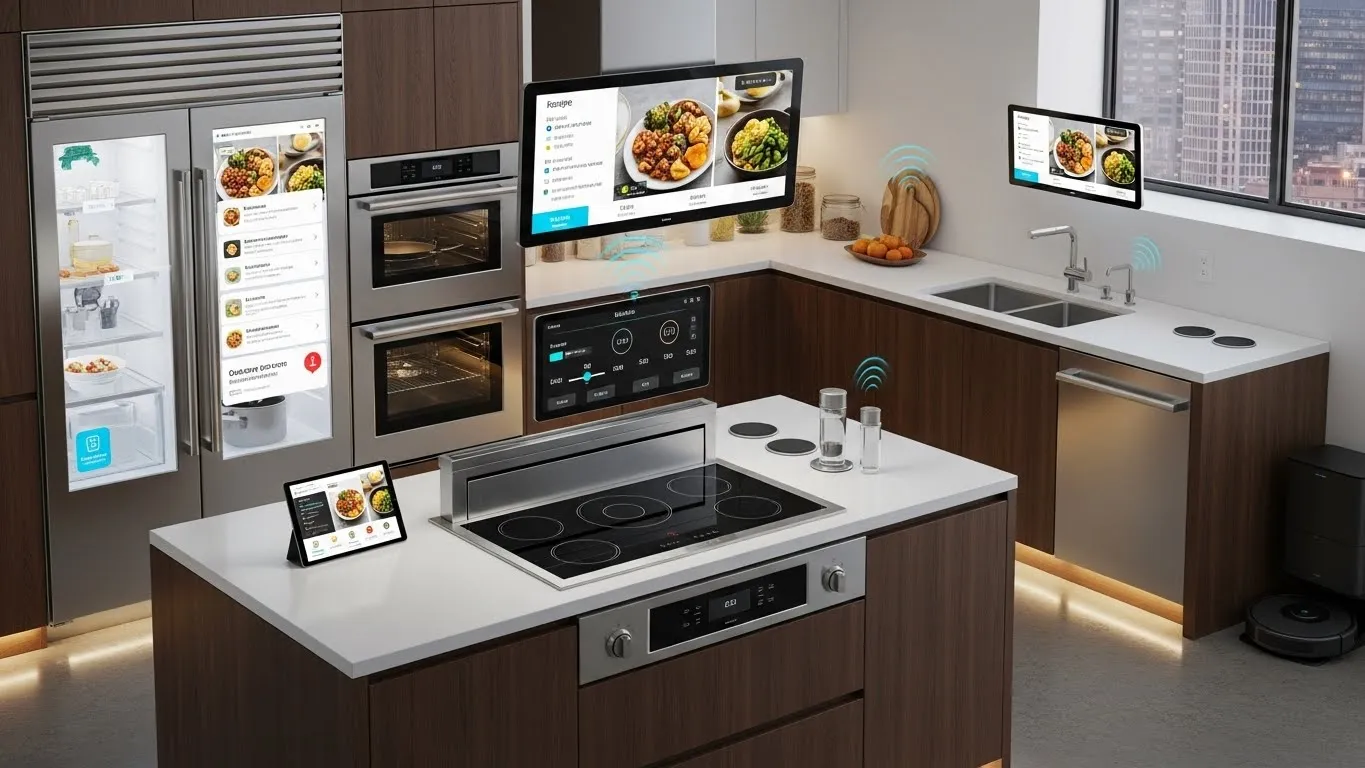
The Rise of the Intelligent Home: A New Era of Efficiency and Safety
The concept of a "smart home" has evolved dramatically, moving beyond simple remote controls to sophisticated systems that actively manage and optimize your living space. Intelligent home management, powered by the Internet of Things (IoT), is transforming how we interact with our residences, offering unprecedented control over energy consumption and security protocols. This integration allows for a more comfortable, convenient, and sustainable living environment. By connecting various devices – from thermostats and lighting to security cameras and door locks – into a cohesive network, homeowners can achieve significant energy savings and bolster their home's safety in ways previously unimaginable.
Key Points:
- Seamless Integration: IoT devices work together for automated home management.
- Energy Optimization: Smart systems reduce waste and lower utility bills.
- Enhanced Security: Real-time monitoring and automated alerts provide peace of mind.
- Personalized Comfort: Environments adapt to your lifestyle and preferences.
- Future-Proof Living: Embracing smart technology prepares your home for the future.
Optimizing Your Home's Energy Consumption with IoT
One of the most significant benefits of an intelligent home management system is its ability to optimize energy usage. Traditional homes often suffer from energy waste due to inefficient heating, cooling, and lighting. IoT devices, when intelligently deployed, can learn your habits and preferences, automatically adjusting settings to minimize unnecessary power draw. This not only leads to substantial cost savings on utility bills but also contributes to a more environmentally friendly lifestyle.
Smart Thermostats: The Brains of Your Climate Control
Smart thermostats are often the cornerstone of energy-efficient intelligent home management. Devices like Nest, Ecobee, and Honeywell's Lyric learn your schedule, detecting when you're home or away, and adjust the temperature accordingly. They can even account for local weather forecasts to pre-emptively optimize heating and cooling. Many also offer remote access via smartphone apps, allowing you to tweak settings from anywhere, ensuring you're never heating an empty house or coming home to a freezing environment. This proactive approach to climate control can reduce energy bills by as much as 15-20%, according to data from the U.S. Department of Energy.
Intelligent Lighting: Illuminating Your Savings
Smart lighting systems, utilizing LED technology and IoT connectivity, offer another potent avenue for energy optimization. You can control individual lights or entire rooms remotely, set schedules, and even adjust brightness levels. Motion sensors can ensure lights are only on when a room is occupied, and ambient light sensors can automatically dim or brighten lights based on natural light availability. Consider a scenario where you leave a room without turning off the lights; an intelligent system would detect your absence and switch them off automatically. This seemingly small convenience, replicated across a home, contributes significantly to energy reduction. For more insights into smart lighting technologies, readers can explore related articles on home automation.
Energy Monitoring and Management
Beyond thermostats and lighting, comprehensive energy monitoring systems provide granular insights into your home's power consumption. These systems can identify which appliances are using the most energy and when. Some advanced systems can even learn to optimize the usage of high-draw appliances, like dishwashers or washing machines, by running them during off-peak electricity hours when rates are lower. This data-driven approach to energy management empowers homeowners to make informed decisions about their consumption habits and further fine-tune their smart home's efficiency.
Enhancing Home Security with Intelligent IoT Solutions
The same interconnectedness that drives energy efficiency also revolutionizes home security. Intelligent home management systems provide a robust, multi-layered approach to protecting your property and loved ones, offering real-time monitoring and swift response capabilities.
Smart Cameras and Doorbells: Your Eyes and Ears on the Property
Smart security cameras and video doorbells are pivotal in an intelligent home security setup. They provide live video feeds accessible from your smartphone, allowing you to see who's at your door or monitor activity around your property from anywhere in the world. Advanced models feature motion detection, night vision, and two-way audio, enabling you to communicate with visitors or deter potential intruders. Alerts are sent directly to your device when motion is detected, providing immediate awareness. Some systems even integrate with cloud storage for easy review of recorded footage, crucial for any security incident.
Connected Locks and Sensors: Fortifying Your Entry Points
Smart locks offer a secure and convenient alternative to traditional keys. You can lock and unlock your doors remotely, grant temporary access to guests or service providers, and receive notifications whenever your doors are opened or closed. Combined with door and window sensors, these systems create an integrated perimeter alarm. If a sensor is triggered while the system is armed, you'll receive an instant alert, and depending on your setup, it could also trigger other actions like turning on lights or activating audible alarms. This proactive detection system is a significant deterrent against unauthorized entry.
Integrated Alarm Systems and Professional Monitoring
Intelligent home management allows for sophisticated integration of alarm systems. In the event of a security breach, smoke detection, or carbon monoxide leak, the system can automatically alert not only the homeowner but also pre-designated emergency contacts or professional monitoring services. This immediate, automated response can be critical in minimizing damage or ensuring swift assistance during emergencies. Many modern smart home security systems offer optional professional monitoring plans, providing an extra layer of security and peace of mind, knowing that trained professionals are ready to act.
Differentiated Value in Intelligent Home Management
While many smart home devices focus on convenience, truly intelligent home management systems distinguish themselves through advanced automation and predictive capabilities. Unlike basic smart plugs, which simply offer remote on/off functionality, an intelligent system can orchestrate multiple devices in concert. For instance, upon detecting your car in the driveway via a geofencing feature, it could automatically disarm the security system, adjust the thermostat to your preferred temperature, and turn on specific lights. This level of predictive automation based on user behavior and external data is a key differentiator.
A unique trend emerging is the integration of proactive wellness monitoring alongside energy and security. Some advanced systems are beginning to incorporate sensors that can monitor air quality, humidity levels, and even subtle changes in occupant behavior, all of which can impact well-being. This moves beyond mere convenience to creating a truly responsive and health-conscious living environment. For instance, if air quality drops, the system might automatically turn on an air purifier and adjust ventilation. This holistic approach to home management is a significant leap forward.
Expert Insights and Industry Trends
Industry reports from sources like IDC and Statista consistently highlight the rapid growth of the smart home market, projecting continued expansion driven by increased consumer awareness and technological advancements. Data from 2024 indicates a significant increase in consumer adoption of voice assistants, which serve as a primary interface for many intelligent home management systems. This trend underscores the importance of seamless integration with platforms like Amazon Alexa and Google Assistant.
A recent analysis from ABI Research (published in late 2024) suggests that while energy management and security remain primary drivers, the focus is shifting towards interoperability and ecosystem building. Consumers are increasingly looking for solutions that work together seamlessly, regardless of brand, fostering an environment where devices can communicate and collaborate effectively. This is leading to greater adoption of open standards and cross-platform compatibility.
Building Your Intelligent Home: A Step-by-Step Approach
Embarking on the journey of intelligent home management doesn't have to be overwhelming. Start by identifying your primary needs – is it energy savings, enhanced security, or improved convenience?
- Assess your current home: What are your biggest pain points? Inefficient heating? Security concerns?
- Start small: Begin with a few key devices like a smart thermostat or smart speaker.
- Choose a platform: Select a smart home hub or ecosystem (e.g., Google Home, Amazon Alexa, Apple HomeKit) that best suits your needs and existing devices.
- Expand gradually: As you become more comfortable, add more devices and explore advanced automation routines.
- Prioritize security: Ensure all your devices are secured with strong passwords and updated firmware.
For readers interested in the technical underpinnings of smart home networking, exploring articles on Wi-Fi mesh networks and Zigbee/Z-Wave protocols would be beneficial.
Frequently Asked Questions (FAQ)
Q1: How can an intelligent home management system save me money on energy bills? A: Smart thermostats learn your habits to optimize heating and cooling, smart lighting can ensure lights are off when not needed, and energy monitoring systems help identify and reduce phantom power usage from idle appliances, all contributing to lower utility costs.
Q2: Is it difficult to set up and use an intelligent home management system? A: Modern smart home systems are designed for user-friendliness. While some initial setup is required, most devices offer intuitive app-based controls and simple pairing processes, making them accessible for most homeowners.
Q3: How does an intelligent home improve my security? A: IoT security devices like smart cameras, doorbells, and sensors provide real-time monitoring and alerts. Connected locks offer remote control, and integrated alarm systems can automatically notify emergency services, offering layered protection and peace of mind.
Q4: Can I control my intelligent home system with my voice? A: Yes, voice control is a cornerstone of many intelligent home management systems. Using smart speakers and voice assistants like Alexa or Google Assistant, you can control devices, set routines, and check statuses with simple voice commands.
Conclusion: Embracing the Future of Home Living
Intelligent home management, powered by the Internet of Things, is more than just a trend; it's a fundamental shift in how we live. By optimizing energy consumption and significantly enhancing home security, these systems offer tangible benefits that improve daily life. The continuous evolution of IoT technology promises even more sophisticated features and seamless integration, making now an opportune time to explore the possibilities for your own home. Whether you're aiming to reduce your carbon footprint, safeguard your family, or simply enjoy greater convenience, an intelligent home management system offers a compelling solution.
We encourage you to share your experiences with smart home technology in the comments below, and subscribe to our newsletter for more insights into the latest advancements in home automation and technology. For further exploration into specific aspects of smart home technology, consider reading our detailed guides on smart thermostats and home security automation.