Home Automation Platforms: Choosing the Right System for You
Home Automation Platforms: Choosing the Right System for You
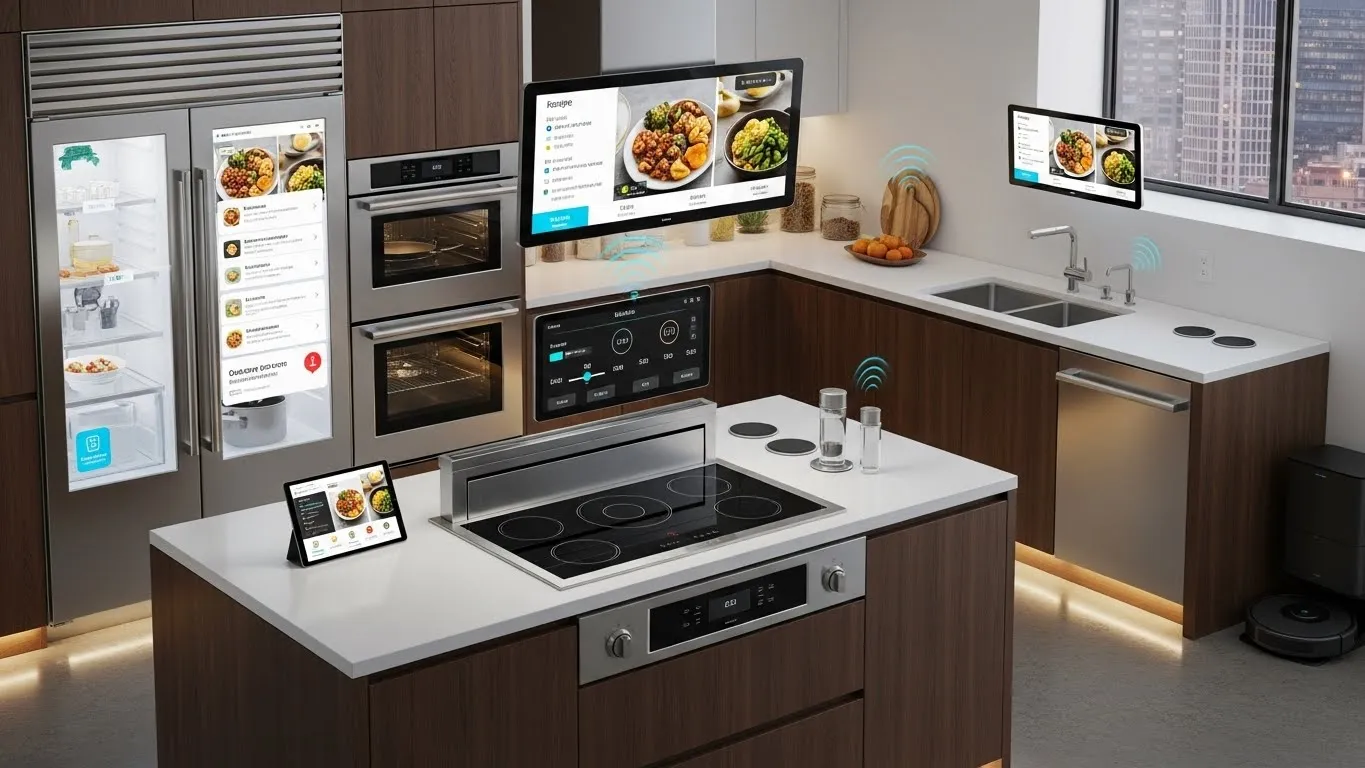
Welcome to the exciting world of smart living! Deciding on the right home automation platform is the foundational step in building a truly intelligent and connected home. These platforms serve as the central nervous system for all your smart devices, enabling seamless communication, automation, and control. From managing your lighting and thermostat to enhancing security and even automating your smart kitchen appliances, the possibilities are vast.
Choosing the optimal smart home system can seem daunting given the myriad of options available. However, understanding your specific needs, desired functionalities, and long-term goals will simplify the process significantly. This comprehensive guide will walk you through the essential considerations, popular choices, and expert insights to help you make an informed decision, ensuring your smart home journey is both efficient and enjoyable.
Key Points for Choosing a Home Automation Platform
- Compatibility First: Ensure your chosen platform supports the devices you already own or plan to purchase.
- Security & Privacy: Prioritize platforms with robust security features and clear privacy policies.
- Scalability: Select a system that can grow and adapt as your smart home needs evolve.
- Ease of Use: Opt for a platform with an intuitive interface and straightforward setup process.
- Future-Proofing: Consider emerging standards like Matter for long-term interoperability.
Understanding Home Automation Platforms: More Than Just Gadgets
At its core, a home automation platform is the software and hardware ecosystem that allows various smart devices to communicate and work together. It acts as a translator, enabling a smart bulb from one brand to respond to a motion sensor from another, all orchestrated through a single app or voice command. Without a cohesive platform, your smart devices would operate in isolated silos, diminishing the true value of a connected home.
These platforms are essential for creating meaningful automation routines. Imagine your lights dimming automatically when you start a movie, or your coffee maker brewing as your alarm goes off. Such scenarios are only possible when a central system coordinates the actions of multiple devices. The evolution of these systems has moved beyond simple remote control to sophisticated AI-driven intelligence, learning your habits and anticipating your needs.
Key Factors When Choosing Your Smart Home Ecosystem
Selecting the best smart home system requires careful consideration of several critical factors. Each element plays a vital role in the overall user experience, security, and longevity of your automated home.
Compatibility and Interoperability
The most crucial aspect of any home automation platform is its ability to communicate with a wide range of devices. Different smart devices use various communication protocols, such as Zigbee, Z-Wave, Wi-Fi, Bluetooth, and the emerging Thread. A robust platform will support multiple protocols or offer extensive integrations with devices that use them.
Consider popular ecosystems like Apple HomeKit, Google Home, Amazon Alexa, and Samsung SmartThings. Each has its strengths and weaknesses regarding device support and integration capabilities. Open systems generally offer more flexibility and device choices, while closed systems often provide a more streamlined, secure experience within their specific brand ecosystem. For example, Apple HomeKit is known for its strong privacy but has a more curated list of compatible devices.
Security and Privacy: A Top Priority
As more devices connect to your home network, the importance of security and privacy cannot be overstated. A reliable home automation platform should offer robust data encryption, both in transit and at rest. Look for platforms that process as much data locally as possible, reducing reliance on cloud servers and potential vulnerabilities.
Regular software updates are paramount to patch security loopholes and introduce new protections. Two-factor authentication for accessing your smart home system is a non-negotiable feature. A growing trend in smart home security is the move towards decentralized processing, offering enhanced privacy by keeping your data within your home network rather than on remote servers. Always review a platform's privacy policy to understand how your data is collected, used, and protected.
Scalability and Future-Proofing Your Home Automation
Your smart home needs will likely evolve over time. A good home automation platform should be easily scalable, allowing you to add new devices and expand functionality without having to overhaul your entire system. Consider platforms that are actively developed and receive regular updates, ensuring long-term support.
The introduction of the Matter standard is a game-changer for future-proofing smart home setups. Matter aims to create a unified, open-source connectivity standard, allowing devices from different brands and ecosystems to work together seamlessly. Choosing a platform that supports or plans to support Matter will provide significant flexibility and longevity for your smart home investment. For more information on this topic, readers can explore related articles on smart home interoperability.
Ease of Use and Installation
The best smart home system is one you can easily set up and manage. Some platforms are designed for DIY enthusiasts, offering extensive customization but requiring a steeper learning curve (e.g., Home Assistant). Others prioritize simplicity and quick setup, ideal for beginners (e.g., Google Home, Amazon Alexa).
Evaluate the user interface of the platform's app. Is it intuitive? Can you easily create routines and scenes? Voice control integration is also a key convenience factor for many users. Consider whether you prefer a hands-on approach or a more guided, plug-and-play experience.
Cost and Value Proposition
The cost of home automation platforms varies widely, from free software solutions (like Home Assistant) to proprietary hubs with subscription fees. Factor in not just the initial purchase price of the hub or starter kit, but also the cost of compatible devices and any potential monthly subscription services for advanced features or cloud storage.
While a higher price doesn't always guarantee superior performance, investing in a reputable platform often translates to better support, security, and a wider ecosystem of compatible devices. Weigh the features and benefits against the total cost of ownership to determine the best value for your budget.
Popular Home Automation Platforms: A Comparative Look
Let's delve into some of the most widely adopted home automation platforms and their distinct characteristics.
Amazon Alexa
Amazon Alexa is renowned for its widespread device compatibility and powerful voice control capabilities. It integrates with thousands of smart devices and offers a vast array of "skills" for extended functionality. Alexa is excellent for creating routines and managing daily tasks, making it a popular choice for many households. However, its heavy reliance on cloud processing raises some privacy concerns for users.
Google Home
Google Home leverages Google's powerful AI and search capabilities, offering intelligent voice assistance and seamless integration with other Google services. It boasts strong device support and is particularly adept at understanding complex commands. Like Alexa, Google Home is cloud-dependent, which can be a consideration