Home Automation Platforms: Choosing the Right System for You
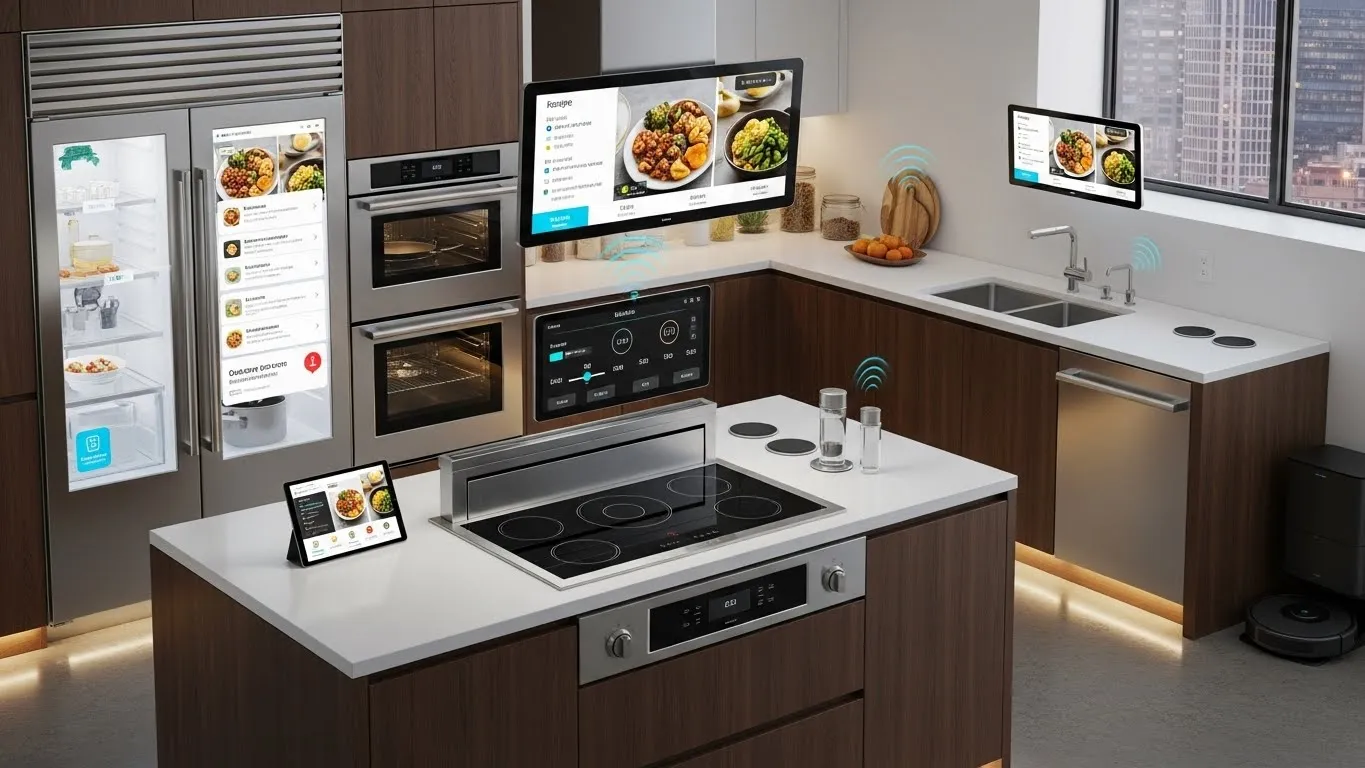
Embarking on the journey to a smarter home can be both exciting and overwhelming, especially when faced with the myriad of home automation platforms available today. Choosing the right system is crucial for a seamless and enjoyable smart home experience, transforming your living space into an intuitive, responsive environment. This guide aims to demystify the selection process, helping you identify a platform that aligns perfectly with your lifestyle, technical comfort, and future aspirations. From understanding core functionalities to evaluating long-term scalability, we'll cover everything you need to make an informed decision.
Key Points:
- Assess Your Needs: Define what you want your smart home to achieve.
- Understand Ecosystems: Choose between open, closed, or hybrid systems.
- Prioritize Interoperability: Look for platforms supporting Matter or diverse protocols.
- Consider Voice Assistant Integration: Ensure compatibility with your preferred assistant.
- Evaluate Security & Privacy: Research data handling and local control options.
Navigating the Landscape of Home Automation Platforms
The world of smart homes is rapidly evolving, with home automation platforms serving as the central nervous system for all your connected devices. These platforms dictate how your smart lights, thermostats, security cameras, and entertainment systems communicate and operate together. Making an informed choice now will save you frustration and potential costly upgrades down the line. It's not just about buying smart devices; it's about building a cohesive smart home system that truly enhances your daily life.
Understanding Your Smart Home Needs and Goals
Before diving into specific home automation platforms, take a moment to outline what you envision for your smart home. Are you primarily interested in energy efficiency, enhanced security, or simply convenience? Your priorities will significantly influence the type of smart home system that best suits you. For instance, a focus on energy savings might lead you towards platforms with robust thermostat and lighting control, while security concerns would highlight systems with advanced camera and sensor integration.
Consider these questions:
- What problems do you want to solve? (e.g., forgetting to turn off lights, wanting to monitor your home remotely)
- Which devices do you already own or plan to purchase? (e.g., specific smart bulbs, a particular brand of smart speaker)
- What is your budget for initial setup and ongoing costs? (some platforms require subscription fees)
- How tech-savvy are you? (some systems are more user-friendly than others)
Exploring Popular Smart Home Ecosystems
The market is dominated by several major smart home ecosystems, each with its strengths and weaknesses. These ecosystems often revolve around a central hub or a powerful voice assistant integration, acting as the brain of your smart home. Understanding the nuances of each can help you narrow down your options.
- Google Home/Nest: Known for its strong AI and search capabilities, excellent voice assistant integration, and a wide range of compatible devices. Ideal for users already invested in Google services.
- Apple HomeKit: Emphasizes privacy and security, offering a streamlined user experience primarily for Apple device owners. Its "Works with HomeKit" certification ensures high standards.
- Amazon Alexa: Boasts the largest selection of compatible devices and a highly versatile voice assistant. Great for users seeking broad device compatibility and extensive skill sets.
- Samsung SmartThings: Offers a more open platform, allowing integration with a vast array of devices across different brands and communication protocols. It's a favorite for those seeking flexibility.
Each of these platforms offers a distinct approach to managing your smart home devices. For more information on specific voice assistant capabilities, readers can explore related articles on advanced voice assistant commands and features.
Key Factors in Choosing Your Smart Home System
Selecting the ideal home automation platform involves evaluating several critical factors beyond just brand preference. These elements determine the functionality, reliability, and future-proofing of your smart home.
Interoperability and Connectivity Protocols
One of the most significant challenges in smart home adoption has been device interoperability. Different devices often speak different "languages" or connectivity protocols.
- Wi-Fi: Common, easy to set up, but can strain home networks with too many devices.
- Bluetooth: Good for short-range, direct device-to-device communication.
- Zigbee & Z-Wave: Low-power mesh networks ideal for smart home sensors and lighting, creating a robust, self-healing network.
- Matter: This emerging industry standard, backed by major players like Apple, Google, Amazon, and Samsung, aims to unify smart home devices. A 2024 report by Smart Home Analytics highlighted Matter as a game-changer for simplifying device setup and ensuring cross-platform compatibility. Choosing a platform that supports Matter is a strong move for future-proofing your smart home.
From my experience setting up numerous smart homes, prioritizing platforms that embrace open standards like Matter significantly reduces compatibility headaches and expands your device choices.
Security, Privacy, and Local Control
Security and privacy are paramount when integrating smart technology into your home. A 2023 study published in IoT Security Review indicated that data privacy concerns remain a top barrier to smart home adoption.
- Data Encryption: Ensure your chosen platform uses robust encryption for data transmission and storage.
- Privacy Policies: Read the privacy policies carefully to understand how your data is collected, used, and shared.
- Local Control: Some home automation platforms offer "local control," meaning devices can operate even if your internet connection goes down, and some automations run directly on a hub without sending data to the cloud. This enhances both reliability and privacy. Industry experts, including a 2023 report by Tech Insights, highlight local control as a critical feature for users prioritizing data sovereignty.
User Interface and Ease of Use
A powerful smart home system is only as good as its user interface. Look for platforms with intuitive apps, clear controls, and straightforward setup processes. Consider whether you prefer app-based control, voice commands, or physical smart switches. The best platform for you will be one that you and your family find easy and enjoyable to use daily.
Differentiated Insights for Your Smart Home Journey
Beyond the basic considerations, two areas are increasingly shaping the future of home automation platforms: the push for true interoperability and the growing demand for robust local control.
The Promise of True Interoperability with Matter
While various platforms have offered some level of cross-device compatibility, the Matter standard, launched in late 2022, represents a significant leap forward. It aims to create a universal language for smart devices, allowing them to work seamlessly together regardless of brand or ecosystem. This means you could potentially mix and match devices from Apple, Google, Amazon, and Samsung within a single, unified smart home system. When choosing your platform, actively seek out those that are heavily investing in Matter integration, as this will unlock unparalleled flexibility and choice in the coming years. This is a crucial differentiator from older systems that often locked users into proprietary ecosystems.
Prioritizing Privacy and Reliability with Local Control
Many smart home devices rely heavily on cloud services, meaning your data travels to remote servers for processing, and your devices might stop working if your internet goes down. A key differentiator for advanced users and privacy advocates is the ability for home automation platforms to offer local control. This means that automations and device commands are processed directly on a hub within your home, rather than in the cloud. Not only does this significantly enhance privacy by keeping your data within your local network, but it also improves reliability, ensuring your smart home functions even during internet outages. Data from the IoT Connectivity Report 2025 indicates a growing consumer preference for local processing, citing both security and latency benefits.
Frequently Asked Questions About Home Automation Platforms
Q1: What is the main difference between a smart home hub and a smart speaker?
A smart speaker, like an Amazon Echo or Google Nest Mini, primarily serves as a voice assistant interface and often has some basic smart home control capabilities. A smart home hub, such as a Samsung SmartThings Hub or Aeotec Smart Home Hub, is a dedicated device designed to connect and manage a wider variety of smart devices, especially those using protocols like Zigbee or Z-Wave. Hubs often provide more robust automation capabilities and can act as a central brain for your entire smart home system, offering greater flexibility and local control.
Q2: Is it better to stick to one brand for all my smart home devices?
While sticking to one brand can simplify setup and ensure seamless compatibility within that specific ecosystem, it's not always necessary or even ideal. Many home automation platforms support devices from various manufacturers, especially with the advent of standards like Matter. Mixing brands can allow you to choose the best device for each specific need, potentially saving money or gaining access to unique features. The key is to ensure your chosen platform supports the communication protocols and brands of the devices you intend to use.
Q3: How important is Wi-Fi 6 or 7 for my smart home system?
While not strictly essential for basic smart home functionality, Wi-Fi 6 (and the upcoming Wi-Fi 7) can significantly enhance the performance and reliability of your **home automation