Home Automation Platforms: Choosing the Right System for You
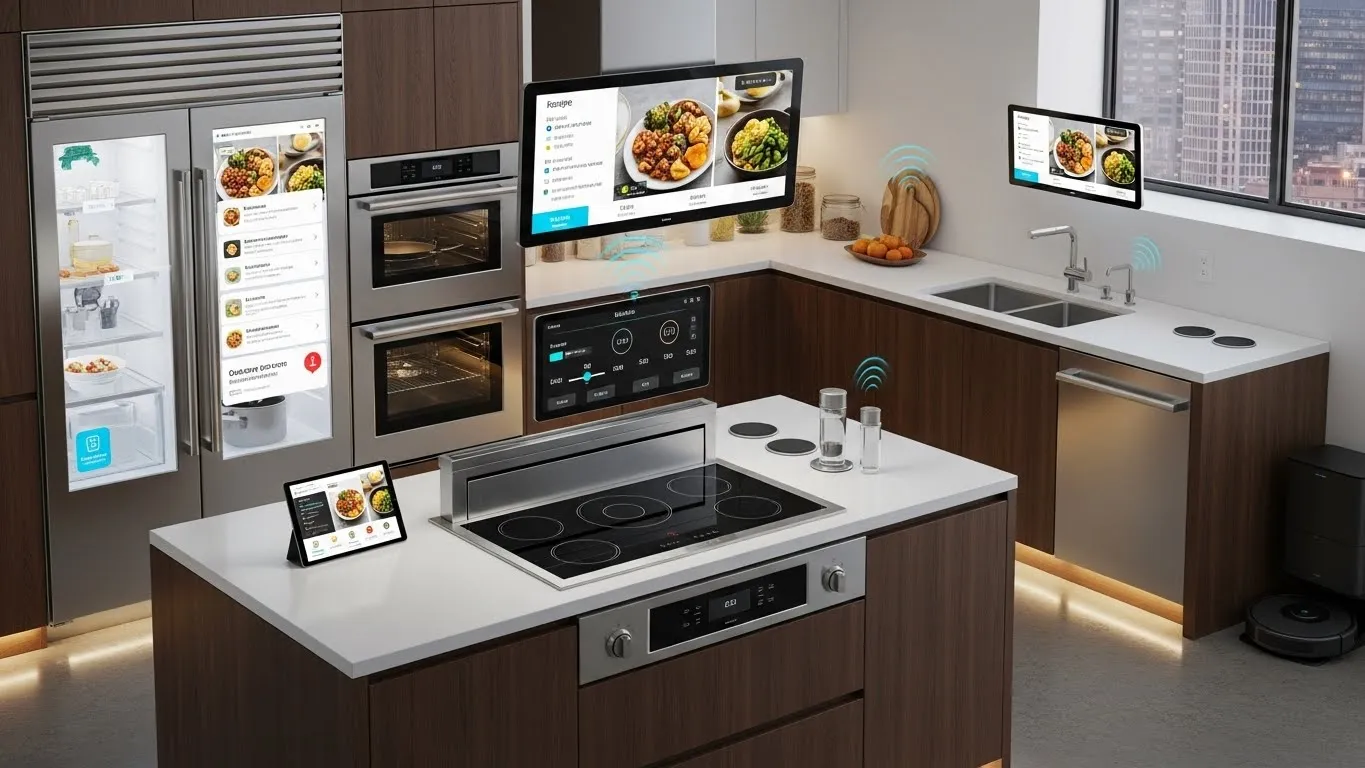
Home Automation Platforms: Choosing the Right System for You
Welcome to the future of living! Home automation platforms are transforming houses into intelligent, responsive spaces that adapt to your lifestyle. From managing your lights with a simple voice command to securing your home remotely, these systems offer unparalleled convenience and control. But with a myriad of options available, choosing the right home automation platform can feel overwhelming. This guide will demystify the process, helping you select a system that perfectly aligns with your needs, budget, and technical comfort level, ensuring a truly smart and integrated home experience.
Key Points:
- Understand Your Needs: Define what you want your smart home to achieve before choosing a platform.
- Prioritize Compatibility: Ensure your chosen platform supports the devices you already own or plan to buy.
- Consider Ecosystem & Voice Control: Evaluate major ecosystems like Apple HomeKit, Google Home, and Amazon Alexa for seamless integration.
- Security & Privacy: Research how platforms handle your data and device security.
- Scalability & Future-Proofing: Select a system that can grow with your smart home ambitions and adapt to new technologies.
Understanding the Landscape of Home Automation Platforms
The world of smart home technology is vast, with numerous home automation platforms vying for your attention. At their core, these platforms act as the central nervous system for your connected devices, allowing them to communicate and work together. They translate your commands, whether from an app or a voice assistant, into actions performed by your smart devices. The primary goal is to create a cohesive smart home ecosystem where lighting, thermostats, security cameras, and entertainment systems operate in harmony.
Initially, the market was fragmented, with many proprietary systems. However, recent years have seen a push towards greater interoperability, driven by new standards like Matter. This evolution means that choosing the right system now involves considering not just individual devices, but the overarching platform that ties them all together.
The Core Components of a Smart Home Ecosystem
Every effective smart home relies on several key components working in unison. Understanding these elements is crucial when evaluating home automation platforms.
- Central Hub/Controller: This is the brain of your smart home. Devices connect to it, and it processes commands and automations. Some platforms use dedicated hubs, while others are software-based, running on smart speakers or even your phone.
- Connectivity Protocols: Smart devices communicate using various wireless technologies. Common protocols include Wi-Fi, Bluetooth, Zigbee, Z-Wave, and the newer Thread. A good platform will support multiple protocols to maximize device compatibility.
- User Interface: This is how you interact with your system. It could be a mobile app, a web interface, a smart display, or, increasingly, voice control through assistants like Amazon Alexa, Google Assistant, or Apple Siri.
- Devices: These are the actual smart products – lights, locks, thermostats, sensors, cameras, and more – that perform the actions.
Evaluating Major Home Automation Platforms and Their Strengths
When it comes to home automation platforms, a few dominant players stand out, each with its unique strengths and weaknesses. Understanding these can significantly narrow down your choices.
Amazon Alexa (Echo Ecosystem)
Amazon's Alexa is perhaps the most ubiquitous voice assistant integration platform. Its strength lies in its vast device compatibility and extensive skill library, allowing it to control thousands of smart devices from various manufacturers. Echo devices often double as smart home hubs, simplifying setup for many users.
- Pros: Broad device support, user-friendly voice control, extensive third-party integrations, affordable entry point.
- Cons: Primarily cloud-dependent, potential privacy concerns regarding data collection, can sometimes feel less integrated than closed ecosystems.
Google Home (Google Assistant Ecosystem)
Google Home, powered by Google Assistant, offers a robust platform deeply integrated with Google's services, including calendars, search, and YouTube. It excels in natural language processing and provides a seamless experience for users already invested in the Google ecosystem. Many smart displays also serve as excellent control centers.
- Pros: Superior natural language understanding, strong integration with Google services, good device compatibility, excellent smart display options.
- Cons: Can be less open than Alexa for certain niche devices, privacy considerations similar to other cloud-based systems.
Apple HomeKit
Apple HomeKit is known for its strong emphasis on privacy, security, and ease of use within the Apple ecosystem. Devices certified "Works with Apple HomeKit" undergo rigorous testing, ensuring a high level of reliability and security. It leverages Apple devices (iPhone, iPad, Apple Watch, HomePod) for control and automation.
- Pros: High security and privacy standards, intuitive user interface, local control options (reducing cloud dependency), excellent voice control via Siri.
- Cons: More limited device compatibility compared to Alexa/Google, typically higher price point for compatible devices, requires an Apple device to set up.
Samsung SmartThings
SmartThings offers a more open and flexible platform, supporting a wide range of devices across multiple protocols, including Zigbee and Z-Wave. It's an excellent choice for users who want to mix and match devices from different brands and create complex automation routines. SmartThings hubs are central to its operation.
- Pros: Broad device compatibility (Zigbee, Z-Wave, Wi-Fi), powerful automation capabilities, active developer community.
- Cons: Can have a steeper learning curve for beginners, reliance on a dedicated hub, user interface can be less polished than others.
Other Notable Platforms
Beyond the big four, other platforms like Home Assistant (open-source, highly customizable), Hubitat Elevation (local control, strong privacy), and various brand-specific apps (e.g., Philips Hue, Arlo) also play a role. These often appeal to advanced users or those with specific brand loyalties.
Key Factors in Choosing the Right Smart Home System
Selecting the ideal home automation platform requires careful consideration of several practical aspects. This ensures your investment genuinely enhances your living experience.
1. Device Compatibility and Interoperability
This is paramount. Before committing to a platform, verify that it supports the smart devices you currently own or intend to purchase. Look for platforms that embrace open standards like Matter and Thread, which promise greater interoperability across brands in the coming years. For instance, a 2024 report by the Connectivity Standards Alliance highlighted Matter's rapid adoption, with over 1,000 certified devices already available, significantly simplifying device integration for consumers. This trend suggests that future-proofing your system means prioritizing platforms that actively support these universal standards.
2. Voice Assistant Integration and Control
For many, the convenience of voice control is a primary driver for adopting smart home technology. Evaluate how seamlessly your chosen platform integrates with your preferred voice assistant (Alexa, Google Assistant, Siri). Consider the responsiveness, accuracy, and range of commands supported. A robust voice assistant integration can make daily interactions with your smart home effortless.
3. Security and Privacy Considerations
Your smart home collects a significant amount of data about your habits and environment. Investigate each platform's security protocols, data encryption practices, and privacy policies. Platforms like Apple HomeKit are often lauded for their strong privacy stance, processing much of the data locally. Ensure you understand how your data is used and stored. A recent study by Consumer Reports (published late 2023) emphasized that while convenience is key, consumers are increasingly prioritizing data privacy when selecting connected devices and platforms.
4. Ease of Use and Setup
Consider your technical comfort level. Some home automation platforms offer a plug-and-play experience, ideal for beginners, while others, like Home Assistant, provide deep customization but require more technical know-how. Look for intuitive apps, clear setup instructions, and reliable performance. A system that's difficult to use will quickly become a frustration rather than an asset.
5. Scalability and Future-Proofing
Your smart home journey often begins with a few devices and expands over time. Choose a platform that can easily accommodate new devices and functionalities as your needs evolve. Look for systems that are actively updated and supported by their developers, ensuring long-term viability and access to new features. This includes considering emerging technologies and how the platform plans to integrate them.
Differentiated Insights: Beyond the Basics
While core features are important, truly optimizing your smart home involves looking at emerging trends and unique considerations.
The Rise of Local Control and Edge Computing
A significant trend in home automation platforms is the move towards local control and edge computing. This means that more processing and automation tasks happen directly on your hub or devices, rather than relying solely on cloud servers. This offers several benefits: increased speed and responsiveness, enhanced privacy (less data sent to the cloud), and continued functionality even during internet outages. Platforms like Hubitat Elevation and Home Assistant are pioneers in this space, offering a more resilient and private smart home experience. This approach provides a distinct advantage over purely cloud-dependent systems, especially for critical functions like security.
AI-Powered Predictive Automation
The next frontier for smart home systems is AI-powered predictive automation. Imagine a system that learns your routines, anticipates your needs, and adjusts your environment proactively. For example, your thermostat might learn your preferred temperature patterns and pre-cool your house before you arrive home, or your lights might adjust based on natural light levels and your typical activity times. While still in its early stages, platforms are beginning to integrate more sophisticated machine learning algorithms to offer truly intelligent and personalized automation, moving beyond simple "if this, then that" rules. This represents a significant leap in user experience, making your home genuinely intuitive.
Frequently Asked Questions About Home Automation Platforms
Q1: What is the best home automation platform for beginners?
For beginners, platforms like Amazon Alexa or Google Home are often recommended due to their user-friendly interfaces, extensive device compatibility, and strong voice assistant integration. They offer a relatively low barrier to entry, with many affordable smart speakers and devices that are easy to set up and control. These platforms provide a good starting point for exploring the benefits of a connected home without requiring deep technical knowledge.
Q2: Can different smart home devices work together if they are from different brands?
Yes, many different smart home devices can work together