Future of Smart Living: Exploring Next-Gen IoT Home Solutions
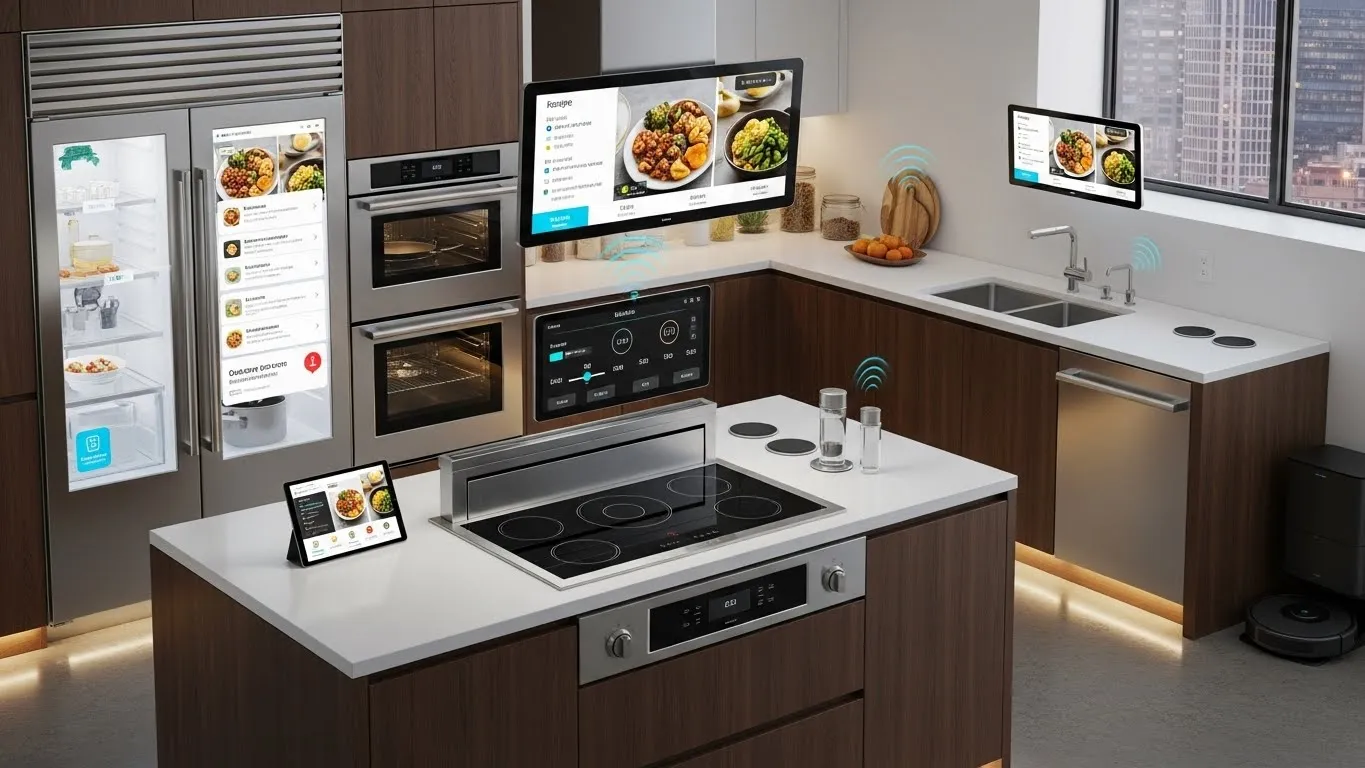
The future of smart living is rapidly evolving, moving beyond simple voice commands and automated lights. Next-generation Internet of Things (IoT) home solutions are poised to create truly integrated, intuitive, and proactive living environments. These advancements promise to enhance convenience, security, energy efficiency, and overall well-being, transforming our houses into intelligent ecosystems that anticipate our needs.
Key Points:
- Hyper-personalization: IoT devices will learn individual preferences to tailor home environments precisely.
- Proactive Automation: Homes will anticipate needs, not just respond to commands.
- Enhanced Security: AI-powered surveillance and seamless integration will bolster home protection.
- Sustainable Living: Smart energy management will become standard, reducing environmental impact.
- Seamless Integration: Interoperability between diverse devices will finally be realized.
The Evolving Landscape of Smart Homes
The current smart home market, while impressive, often suffers from fragmented ecosystems and a reliance on user initiation. We’ve grown accustomed to telling our assistants to turn on lights or adjust thermostats. However, the future of smart living envisions homes that operate with a much higher degree of autonomy and intelligence, driven by sophisticated AI and advanced sensor networks. These next-gen IoT home solutions are moving towards a paradigm where technology fades into the background, seamlessly supporting our lives.
This evolution is fueled by several converging trends: the proliferation of smaller, more affordable, and more powerful sensors; the advancement of artificial intelligence and machine learning algorithms capable of processing vast amounts of data; and the development of more robust and secure networking protocols. The goal is not just a connected home, but an aware home – one that understands its occupants, their habits, and their environment, and acts accordingly.
From Reactive to Predictive: The Core of Next-Gen IoT
One of the most significant shifts will be from reactive smart home systems to predictive ones. Instead of waiting for a command, your home will anticipate your needs. Imagine waking up to a perfectly brewed cup of coffee, the ideal room temperature, and a gentle morning playlist, all initiated by your home’s understanding of your sleep cycle and daily routine.
This predictive capability relies on machine learning algorithms that analyze data from various sensors. These sensors can monitor:
- Occupancy: Detecting who is in which room and when.
- Environmental conditions: Temperature, humidity, air quality, light levels.
- Activity patterns: When you typically leave, arrive, eat, or sleep.
- Device usage: How and when you interact with appliances and entertainment systems.
By processing this information, the smart home can make informed decisions. For instance, if the system detects that you’re feeling unwell based on subtle changes in your activity or vocal patterns (processed with privacy safeguards), it might proactively adjust the lighting, suggest a rest, or even alert a healthcare provider if pre-authorized. This level of personalization is a cornerstone of the future of smart living.
Key Pillars of Next-Gen IoT Home Solutions
Several interconnected areas are defining the next wave of smart home innovation. Understanding these pillars helps paint a clearer picture of what our homes will look like in the coming years.
Hyper-Personalized Environments
Future smart homes will go beyond basic user profiles to offer hyper-personalization. This means the home will adapt its settings to the specific preferences of each individual occupant in real-time. For example, if multiple people are in the living room, the lighting, temperature, and even background music might subtly adjust to accommodate different preferences.
AI-powered systems will learn individual nuances, such as the specific lighting intensity a particular person prefers for reading versus watching a movie. This learning is continuous, becoming more refined over time. This level of adaptation moves the smart home from a generalized convenience to a deeply personal assistant.
Proactive Automation and Task Management
The emphasis will shift from users telling their home what to do to the home anticipating and performing tasks autonomously. This proactive automation extends beyond simple routines. For instance, your home could:
- Optimize energy consumption: Learning your schedule and grid pricing to run high-energy appliances during off-peak hours.
- Manage inventory: Tracking pantry stock and automatically adding items to your grocery list or even placing orders.
- Maintain appliances: Monitoring appliance health and scheduling maintenance before a breakdown occurs.
- Adjust ambiance: Based on your mood detected through subtle cues or your calendar, the home might dim lights for a relaxing evening or increase brightness for a productive work session.
This proactive approach is a significant leap, requiring sophisticated data analysis and inter-device communication.
Next-Level Security and Safety
Security in the future of smart living will be more comprehensive and less intrusive. AI-powered surveillance systems will be able to differentiate between normal activity and potential threats, reducing false alarms. Facial recognition will not only identify authorized individuals but also detect unusual patterns of movement or loitering.
Beyond intrusion detection, smart homes will play a crucial role in broader safety. Integrated systems will monitor for:
- Environmental hazards: Gas leaks, water damage, smoke, and carbon monoxide, triggering immediate alerts and automated responses like shutting off utilities.
- Elderly care: Wearable devices and in-home sensors can monitor for falls or unusual inactivity, alerting family members or emergency services.
- Child safety: Ensuring children are within designated safe zones and monitoring their activities.
The seamless integration of security cameras, smart locks, sensors, and AI analytics will create a robust protective layer for residents.
Sustainable and Efficient Living
Energy efficiency is a critical aspect of next-generation smart homes. Advanced IoT solutions will enable meticulous control over energy usage, significantly reducing waste and utility bills. This includes:
- Smart grids integration: Homes will communicate with the energy grid to optimize consumption based on real-time pricing and renewable energy availability.
- Appliance optimization: Devices will operate at peak efficiency, with smart thermostats learning occupancy patterns to avoid heating or cooling empty rooms.
- Water management: Smart irrigation systems will use weather data and soil moisture sensors to water gardens only when necessary.
According to recent reports from industry analysts, the smart home energy management market is projected to see substantial growth, highlighting consumer and industry focus on sustainability. For example, a report from MarketsandMarkets in 2024 indicated a strong upward trend in the adoption of energy-efficient smart home technologies.
Unprecedented Interoperability and Seamless Integration
A long-standing challenge in smart home technology has been the lack of interoperability between devices from different manufacturers. The future of smart living promises to overcome this through universal standards and open protocols. Technologies like Matter are paving the way for a truly connected ecosystem where devices can communicate and cooperate seamlessly, regardless of brand.
This means your smart lights, thermostat, security cameras, and entertainment system will all work together harmoniously. For example, as you arrive home, your smart lock can signal your security system to disarm, your lights to turn on to your preferred evening setting, and your thermostat to adjust to your comfort level. This level of effortless integration is what many consumers have been waiting for.
Differentiated Value: What's New on the Horizon?
While many of the concepts above are extensions of existing ideas, the true differentiation lies in the sophistication and depth of implementation.
1. Ambient Computing and Invisible Interfaces
Instead of relying on explicit commands or app interfaces, the future smart home will adopt an ambient computing model. Technology will be embedded into the environment so subtly that it becomes almost invisible. Interactions will be more natural – a gesture, a glance, or even just your presence in a room could trigger desired actions.
This involves sophisticated sensor fusion, where data from multiple sources (vision, audio, motion, biometric sensors) is combined and analyzed by AI to understand context and intent without direct user input. This moves beyond voice assistants to a system that feels more intuitive and less demanding of user attention. Think of a home that adjusts its lighting and soundscape based on your physiological cues or conversational tone.
2. Edge AI and Enhanced Privacy
A significant concern with current IoT is data privacy, with much of the processing happening in the cloud. Next-generation solutions will increasingly leverage Edge AI, performing data processing directly on the devices or within the home network itself. This has two major benefits:
- Enhanced Privacy: Sensitive data, such as video feeds or voice recordings, can be processed locally, significantly reducing the risk of data breaches and unauthorized access.
- Improved Responsiveness: Local processing reduces latency, leading to faster response times for critical functions.
While cloud connectivity will still be necessary for certain functions, a robust edge AI architecture will provide a more secure and efficient foundation for the smart home. This is a critical step for building trust and widespread adoption of advanced IoT solutions.
Demonstrating Expertise: Insights from Industry Leaders
The journey towards truly intelligent homes is not without its complexities. Developers and researchers are actively addressing challenges in AI ethics, cybersecurity, and the development of reliable, long-lasting hardware. For instance, a recent white paper from a leading cybersecurity firm in early 2025 highlighted the evolving threat landscape for connected homes and emphasized the need for proactive security measures built into the core of device design.
From a user experience perspective, the goal is to create systems that are both powerful and unobtrusive. The success of these technologies will hinge on their ability to genuinely simplify life and enhance well-being, rather than adding another layer of complexity. Personal experience suggests that the most effective smart home solutions are those that can be set up and forgotten, performing their duties reliably in the background.
Frequently Asked Questions (FAQ)
What is the main advantage of next-gen IoT home solutions?
The primary advantage is the shift from reactive control to proactive, predictive automation, where your home anticipates your needs and enhances your comfort, security, and efficiency without constant user intervention.
How will future smart homes improve security?
Future smart homes will feature AI-powered surveillance that better distinguishes threats from normal activity, integrated hazard detection (gas, water, smoke), and potentially even proactive monitoring for the well-being of occupants.
Will new smart home devices be compatible with older ones?
While challenges remain, emerging standards like Matter are designed to promote greater interoperability, allowing devices from different manufacturers to communicate and work together more seamlessly than in the past.
What role does AI play in the future of smart homes?
AI is central, enabling hyper-personalization by learning user habits, facilitating proactive automation, enhancing security through intelligent analysis, and optimizing energy consumption for greater sustainability.
Conclusion: Embracing the Intelligent Home of Tomorrow
The future of smart living is an exciting frontier, promising homes that are not just connected but truly intelligent, intuitive, and supportive. Next-generation IoT home solutions are set to redefine convenience, security, and sustainability, creating living spaces that adapt to our individual needs and enhance our quality of life. As technology continues to advance, we can anticipate a future where our homes are active partners in our daily routines, offering a seamless and more enriched living experience.
We encourage you to share your thoughts on the future of smart homes in the comments below. What innovations are you most excited about? How do you see IoT shaping your daily life?
For readers interested in diving deeper into specific aspects of this evolving field, consider exploring related articles on advanced home automation protocols, AI in consumer electronics, and the latest cybersecurity measures for IoT devices.