Connected Device Integration: Building Your Smart Home Ecosystem
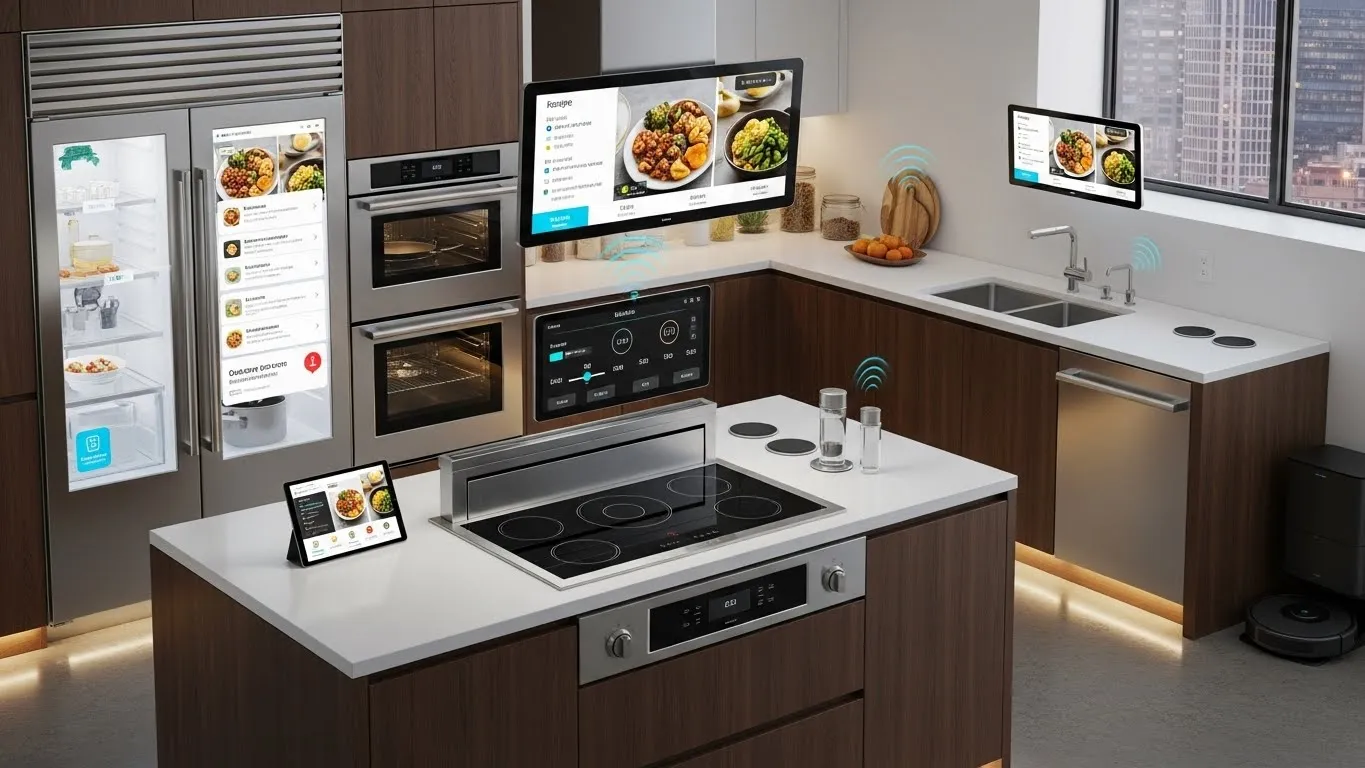
Connected Device Integration: Building Your Smart Home Ecosystem
The dream of a truly intelligent home, where devices communicate effortlessly and anticipate your needs, is now a tangible reality thanks to advancements in connected device integration. This article will guide you through the process of building a cohesive smart home ecosystem, transforming a collection of individual gadgets into a unified, responsive environment. From enhancing daily convenience to boosting energy efficiency and security, understanding how to seamlessly integrate your smart devices is the key to unlocking their full potential.
Key Points for Smart Home Integration
- Unified Control: Manage all your smart devices from a single interface or voice command.
- Enhanced Automation: Create routines where devices work together automatically.
- Improved Efficiency: Optimize energy use and streamline daily tasks.
- Future-Proofing: Build a scalable system ready for new technologies.
- Seamless Experience: Enjoy a truly smart home that anticipates your needs.
Understanding Connected Device Integration for Your Smart Home
Connected device integration refers to the process of linking various smart devices—such as lighting, thermostats, security cameras, and entertainment systems—to work together harmoniously within a single network. Instead of operating each device independently, integration allows them to communicate, share data, and trigger actions based on predefined rules or environmental changes. This creates a smart home ecosystem that is more than the sum of its parts, offering unparalleled convenience and control.
The core value lies in creating a truly automated and responsive living space. Imagine your smart lights dimming as you start a movie, or your thermostat adjusting when a window sensor detects an open window. This level of interaction is only possible through effective integration, moving beyond basic remote control to intelligent automation.
Core Components of a Robust Smart Home Ecosystem
Building a functional smart home ecosystem requires understanding its fundamental components. Each plays a crucial role in ensuring smooth connected device integration.
Smart Devices: The Building Blocks
These are the individual gadgets that perform specific functions. Common examples include:
- Smart Lighting: Bulbs, switches, and strips that can change color, brightness, and be scheduled.
- Smart Thermostats: Devices that learn your preferences and optimize heating/cooling.
- Smart Locks & Security Cameras: Enhancing home safety and monitoring.
- Voice Assistants: Devices like Amazon Echo or Google Nest Hub that serve as central control points.
- Smart Appliances: Refrigerators, washing machines, and ovens with connectivity features.
Smart Home Hubs and Controllers
A smart home hub acts as the central brain of your ecosystem, facilitating communication between disparate devices and different communication protocols. While some voice assistant devices can double as hubs, dedicated hubs often offer broader compatibility and more advanced automation capabilities. They translate commands and data between devices, ensuring they can "speak" to each other even if they use different languages.
Communication Protocols: The Language of Devices
Devices communicate using various wireless protocols. Understanding these is vital for successful connected device integration:
- Wi-Fi: Common for high-bandwidth devices like cameras and streaming devices.
- Bluetooth: Ideal for short-range, direct device-to-device connections.
- Zigbee & Z-Wave: Low-power mesh networks designed specifically for smart home devices, excellent for reliability and extending range.
- Matter & Thread: These newer standards aim to provide universal interoperability, allowing devices from different brands to work together seamlessly. The Matter protocol, supported by major tech companies, is a significant step towards simplifying smart home setup and reducing compatibility headaches, as noted by industry analysts in late 2024.
Key Considerations for Seamless Smart Home Integration
Achieving a truly integrated smart home involves careful planning and attention to several critical factors.
Ensuring Device Compatibility
Compatibility is paramount. Not all smart devices work with all hubs or platforms. Before purchasing, always check for compatibility with your existing ecosystem (e.g., Apple HomeKit, Google Home, Amazon Alexa, Samsung SmartThings). Look for devices that support open standards like Matter or are explicitly listed as compatible with your chosen hub or voice assistant. This foresight prevents frustrating integration issues down the line.
Prioritizing Security and Privacy
As you connect more devices, the potential attack surface for cyber threats increases. Robust security measures are non-negotiable.
- Strong Passwords: Use unique, complex passwords for all smart devices and your Wi-Fi network.
- Two-Factor Authentication (2FA): Enable 2FA wherever possible.
- Regular Updates: Keep device firmware and app software updated to patch vulnerabilities.
- Network Segmentation: Consider creating a separate guest network or VLAN for your IoT devices to isolate them from your main network. A 2025 report by TechSecurity Insights highlighted that outdated firmware was a leading cause of smart home breaches.
Scalability and Future-Proofing Your Ecosystem
Your smart home will likely grow over time. Choose a platform and devices that allow for easy expansion. Opt for hubs that support multiple protocols (Zigbee, Z-Wave, Matter) to give you flexibility. Consider devices from brands known for their commitment to long-term support and updates. This approach ensures your initial investments remain valuable as technology evolves.
The Pivotal Role of Voice Assistants in Smart Home Integration
Voice Assistant Integration is arguably the most transformative aspect of modern smart homes. Devices like Amazon Alexa, Google Assistant, and Apple Siri act as intuitive command centers, allowing you to control your entire ecosystem using natural language. This significantly enhances the user experience, making your smart home ecosystem feel truly intelligent and responsive.
Centralized Control and Automation
Voice assistants can connect to a vast array of smart devices, acting as a universal remote. You can turn lights on, adjust thermostats, lock doors, or even start your coffee maker with a simple voice command. Beyond individual device control, voice assistants excel at creating complex routines and scenes. For example, saying "Good Morning" could simultaneously turn on lights, start the news, and raise the blinds. For more information on this topic, readers can explore related articles on voice assistant capabilities.
Enhancing Accessibility and Convenience
For many, voice control offers a level of accessibility that traditional interfaces cannot match. It frees your hands, allowing you to manage your home while cooking, holding a child, or simply relaxing. This hands-free operation is a core benefit of modern connected device integration, making smart living effortless.
Building Your Smart Home: A Step-by-Step Guide
Embarking on your smart home journey can seem daunting, but a structured approach ensures a smooth and successful seamless smart home setup.
1. Plan Your Needs and Goals
Start by identifying what problems you want to solve or what conveniences you desire. Do you want to save energy, enhance security, or simply make daily routines easier? Prioritize areas like lighting, climate control, or security, and then select devices that align with those goals. Don't try to automate everything at once.
2. Choose Your Core Platform and Hub
Decide on your preferred smart home platform (e.g., Google Home, Amazon Alexa, Apple HomeKit) and whether you need a dedicated hub. Your choice will influence device compatibility and the overall user experience. Many users find starting with a voice assistant device as their initial hub to be a practical first step.
3. Select Compatible Devices
Based on your chosen platform and needs, research and purchase devices known for their reliability and compatibility. Look for devices that support open standards like Matter for future flexibility.
4. Installation and Setup
Follow the manufacturer's instructions for each device. Most modern smart devices offer straightforward app-guided setup processes. Ensure your Wi-Fi network is robust enough to handle multiple connected devices.
5. Configure Routines and Automations
This is where the magic of smart home automation happens. Use your platform's app to create routines that link devices together. Examples:
- "Goodnight" Routine: Lock doors, turn off lights, arm security system, set thermostat.
- "Away" Routine: Turn off all lights, lower thermostat, activate motion sensors.
- Motion-Activated Lighting: Lights turn on when motion is detected in a hallway.
Advanced Smart Home Scenarios and Future Trends
Beyond basic automation, the world of connected device integration is constantly evolving, offering increasingly sophisticated possibilities.
Predictive Automation with AI
The next frontier involves artificial intelligence learning your habits and making predictive adjustments. Imagine your home pre-cooling based on weather forecasts and your typical arrival time, or adjusting lighting based on your circadian rhythm. This moves from reactive to proactive automation, offering a truly personalized environment.
Edge Computing for Enhanced Privacy and Speed
With more devices, processing data locally (edge computing) rather than solely in the cloud is gaining traction. This can improve response times for automations and enhance data privacy, as sensitive information doesn't always leave your home network. This trend was highlighted in a 2024 IoT Solutions Review, emphasizing its importance for robust smart home security.
Integrating Smart Health and Wellness Devices
Future smart homes will likely integrate more deeply with personal health devices. Your smart bed might communicate with your thermostat to optimize sleep temperature, or air quality sensors could trigger purifiers based on real-time data. This holistic approach extends the benefits of smart home integration beyond convenience to personal well-being.
Overcoming Common Integration Challenges
Even with careful planning, you might encounter hurdles when integrating smart home devices. Here are some common issues and solutions:
Wi-Fi Congestion and Range Issues
Too many devices on a single Wi-Fi band can lead to slowdowns. Consider a dual-band router and distribute devices across 2.4GHz (better range, lower speed) and 5GHz (faster, shorter range) bands. Mesh Wi-Fi systems can also significantly improve coverage in larger homes.
Device Incompatibility
If a device isn't working, double-check its compatibility with your hub or platform. Sometimes, a firmware update for either the device or the hub can resolve issues. If not, consider a different device or explore third-party integration services (like IFTTT