Connected Device Integration: Building Your Smart Home Ecosystem
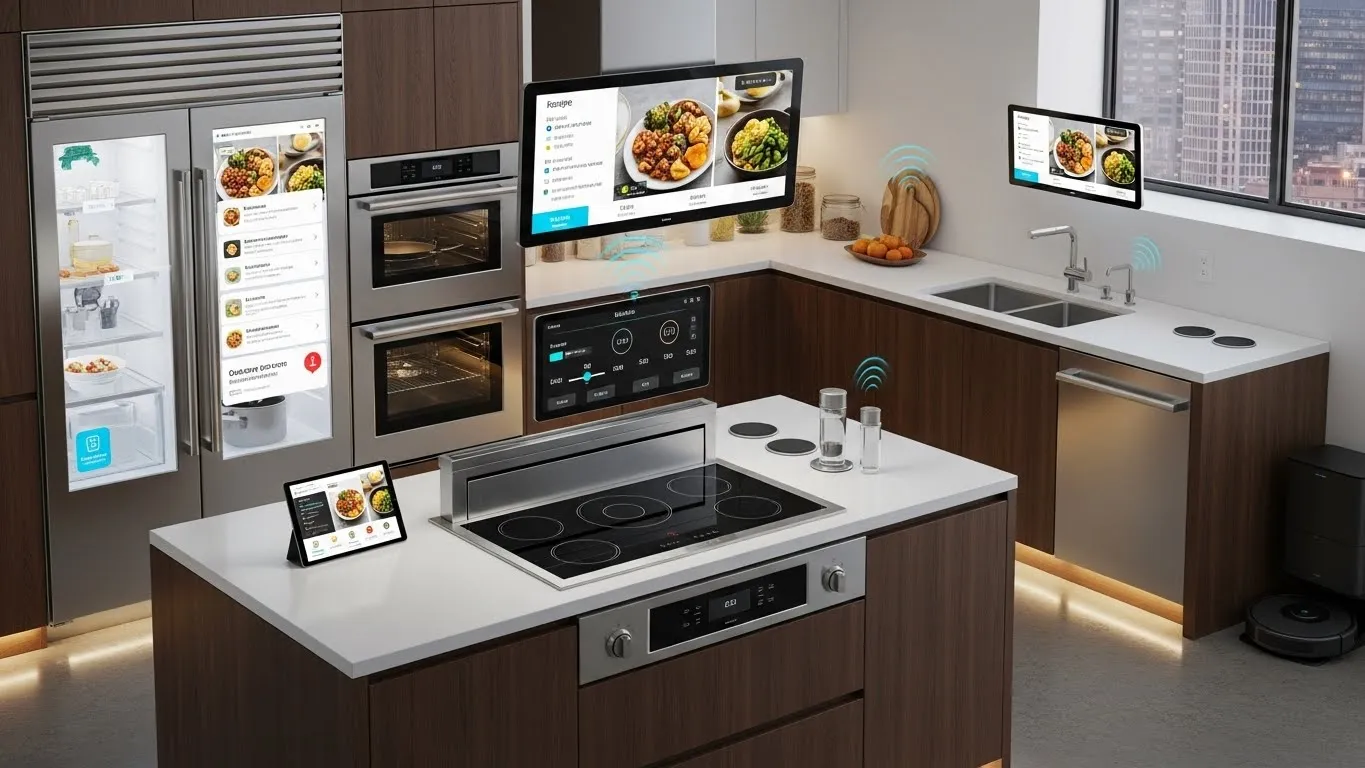
Connected Device Integration: Building Your Smart Home Ecosystem
The vision of a truly smart home ecosystem is no longer a futuristic dream; it's an achievable reality. Modern homes are increasingly equipped with a myriad of intelligent devices, from smart thermostats and lighting to security cameras and entertainment systems. The true power, however, lies not in individual gadgets but in their seamless connected device integration. This article will guide you through the process of building a cohesive and efficient smart home, ensuring all your devices work together harmonably to enhance comfort, security, and especially, energy management.
Key Points for Building Your Smart Home Ecosystem:
- Strategic Planning: Define your needs and choose compatible devices.
- Platform Selection: Opt for a robust smart home hub or platform.
- Interoperability: Prioritize devices supporting universal standards like Matter.
- Energy Optimization: Integrate climate control and lighting for maximum efficiency.
- Security & Privacy: Implement strong measures to protect your connected home.
Understanding the Core of Connected Device Integration
At its heart, connected device integration is about enabling different smart devices to communicate and interact with each other, often through a central hub or platform. This synergy allows for automated routines, remote control, and intelligent responses to your environment. Without proper integration, your smart devices remain isolated tools, unable to unlock their full potential. The goal is to create a responsive and intuitive living space that anticipates your needs.
The Pillars of a Seamless Smart Home Ecosystem
Building a robust smart home ecosystem relies on several foundational elements. Understanding these will empower you to make informed decisions about your purchases and setup.
- Device Compatibility: Not all smart devices speak the same language. Ensuring compatibility is paramount. Look for devices that explicitly state support for common platforms or communication protocols.
- Communication Protocols: These are the "languages" devices use to talk. Common protocols include Wi-Fi, Bluetooth, Zigbee, Z-Wave, and the newer, highly anticipated Matter standard. Each has its strengths regarding range, power consumption, and data transfer speed.
- Central Hubs and Platforms: A smart home hub acts as the brain of your ecosystem, translating between different protocols and allowing you to control all devices from a single interface. Popular platforms include Apple HomeKit, Google Home, Amazon Alexa, and Samsung SmartThings. Choosing a platform often dictates which devices will integrate most smoothly.
Planning Your Smart Home Ecosystem: A Step-by-Step Guide
Embarking on connected device integration requires thoughtful planning. Rushing into purchases can lead to compatibility headaches and a fragmented experience.
Assessing Your Needs and Current Devices
Before buying new gadgets, consider what you want your smart home to achieve. Are you focused on home energy management, enhanced security, or simply convenience? Take stock of any existing smart devices you already own and their compatibility. This initial assessment helps in prioritizing your integration efforts. For instance, if you already have a smart thermostat, consider devices that complement its functionality.
Choosing the Right Smart Home Hub or Platform
The choice of your central platform is critical as it will largely define your smart home ecosystem. Each platform offers unique features and device support.
- Apple HomeKit: Known for its strong privacy and security features, often favored by iPhone users.
- Google Home: Excellent for voice control and integration with Google services.
- Amazon Alexa: Offers broad device compatibility and a vast array of voice commands.
- Samsung SmartThings: A versatile hub supporting a wide range of Zigbee and Z-Wave devices.
- Matter Standard: This emerging standard aims to unify smart home devices, promising unprecedented interoperability regardless of brand or platform. Prioritizing Matter-certified devices is a forward-thinking strategy for future-proofing your setup.
Optimizing Climate Control and Energy Management
One of the most impactful areas for connected device integration is in climate control and energy management. Smart devices can significantly reduce your energy consumption and lower utility bills.
Smart Thermostats and Zoned Heating/Cooling
Integrating a smart thermostat like a Nest or Ecobee into your smart home ecosystem allows for intelligent temperature regulation. These devices learn your preferences, adjust based on occupancy, and can be controlled remotely. For larger homes, implementing zoned heating and cooling with smart vents or multiple thermostats can further optimize energy use by only heating or cooling occupied areas. This targeted approach provides both comfort and substantial savings.
Integrating Smart Lighting and Blinds for Efficiency
Smart lighting systems, such as Philips Hue or Lutron Caséta, can be programmed to adjust based on natural light, occupancy, or time of day. Integrating them with motion sensors ensures lights are only on when needed. Similarly, smart blinds or shades can automatically open and close to regulate indoor temperature, blocking harsh sun in summer and maximizing passive solar gain in winter. This seamless coordination contributes directly to home energy management.
Advanced Strategies for Smart Home Automation
Beyond basic control, advanced automation unlocks the true potential of your connected device integration.
Leveraging AI and Machine Learning in Your Smart Home
The latest trend in smart home technology involves integrating Artificial Intelligence (AI) and Machine Learning (ML). AI-powered systems can learn complex patterns in your behavior and environment, making predictive adjustments. For example, an AI-driven system might learn your morning routine and pre-heat your shower water, or anticipate a heatwave and pre-cool your home before you arrive. This predictive capability moves beyond simple automation to truly intelligent living. A 2024 report by the Smart Home Analytics Group highlighted a 35% increase in energy savings for homes utilizing AI-driven predictive climate control compared to standard smart thermostats. This demonstrates the tangible benefits of advanced integration.
Ensuring Security and Privacy in Your Connected Home
As your smart home ecosystem grows, so does the importance of security and privacy. Each connected device represents a potential entry point for vulnerabilities.
- Strong Passwords: Use unique, complex passwords for all devices and your Wi-Fi network.
- Two-Factor Authentication (2FA): Enable 2FA wherever possible for an extra layer of security.
- Network Segmentation: Consider setting up a separate Wi-Fi network for your smart devices (IoT network) to isolate them from your main network.
- Regular Updates: Keep all device firmware and app software updated to patch known vulnerabilities.
- Privacy Settings: Review and adjust the privacy settings on all your smart devices and platforms. Be mindful of data collection practices.
Troubleshooting and Maintaining Your Smart Home Setup
Even with careful planning, occasional issues can arise. Effective connected device integration also involves knowing how to maintain and troubleshoot your system.
- Regular Checks: Periodically verify that all devices are online and communicating correctly.
- Firmware Updates: Make it a habit to check for and install firmware updates for all your smart devices. These often include security patches and performance improvements.
- Network Stability: A strong and stable Wi-Fi network is crucial. Consider upgrading your router or adding mesh Wi-Fi extenders if you experience connectivity issues.
- Documentation: Keep a record of your devices, their settings, and any specific integration steps. This can be invaluable for troubleshooting.
FAQ Section
Q: What is the best platform for smart home integration?
A: The "best" platform depends on your existing tech ecosystem and priorities. Apple HomeKit