Budget-Friendly DIY Smart Home Projects: Automating Your Home Without Breaking the Bank
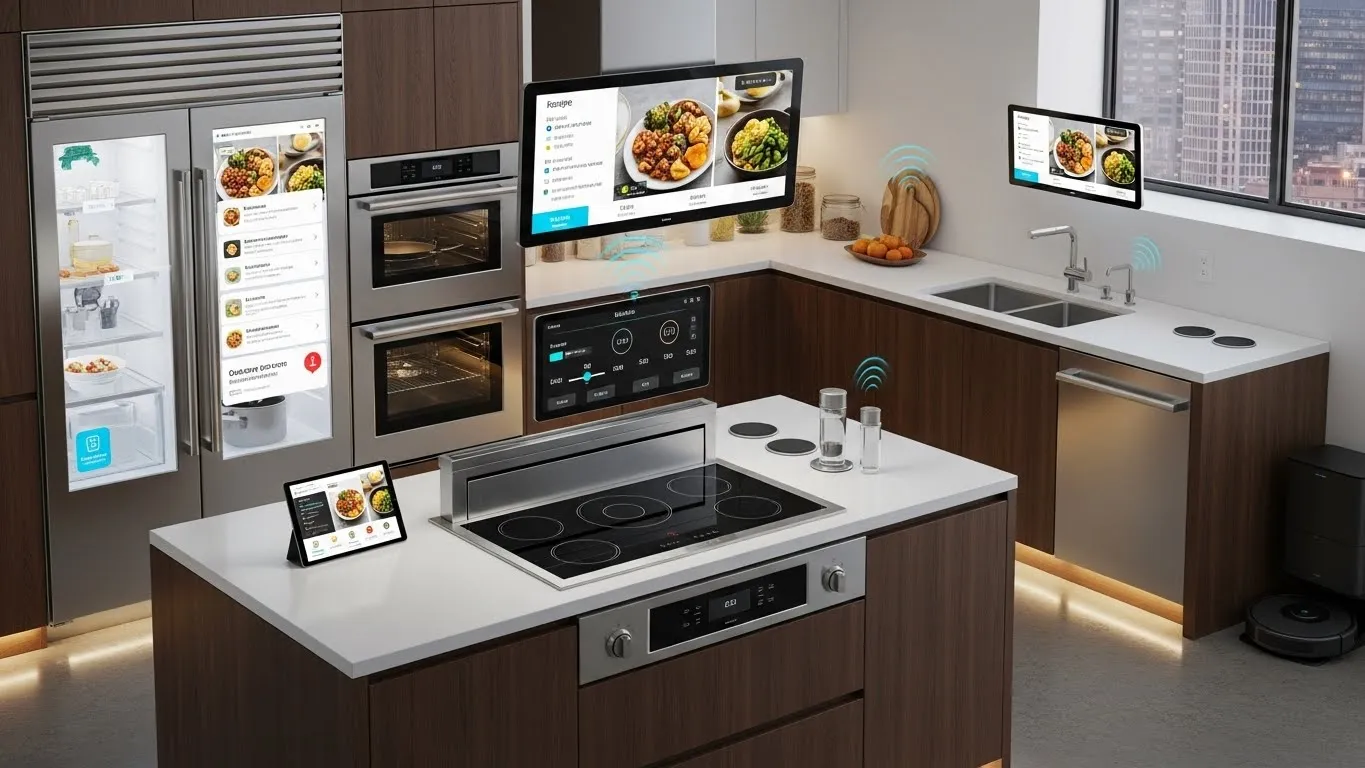
Budget-Friendly DIY Smart Home Projects: Automating Your Home Without Breaking the Bank
The dream of a smart home often conjures images of expensive gadgets and complex installations. However, achieving home automation doesn't require a hefty investment. With budget-friendly DIY smart home projects, you can transform your living space into an intelligent, responsive environment without breaking the bank. This guide empowers you to explore practical and cost-effective solutions, proving that smart living is accessible to everyone. We’ll delve into how strategic planning and smart choices can lead to a highly functional automated home.
Key Points:
- Affordable Automation: Learn to build a smart home using low-cost devices and open-source software.
- DIY Empowerment: Gain the knowledge to customize and control your home systems independently.
- Energy Efficiency: Discover how smart setups can reduce utility bills over time.
- Security & Privacy: Understand options for enhanced home security and data control.
- Future-Proofing: Explore scalable solutions that adapt to evolving technologies.
Why Go DIY for Smart Home Automation?
Embracing the do-it-yourself approach for smart home automation offers significant advantages beyond just saving money. It provides unparalleled control, deep customization, and often enhanced privacy compared to off-the-shelf proprietary systems. When you build your own budget-friendly DIY smart home projects, you become the architect of your digital living space. This journey allows you to select components that truly meet your needs and integrate them in ways big tech companies might not offer.
The Core of Affordable Automation: Open-Source & Repurposing
The secret to truly cost-effective smart homes often lies in open-source software and creative repurposing. Platforms like Home Assistant, running on inexpensive hardware such as a Raspberry Pi, provide a powerful and flexible hub for integrating a myriad of devices. Unlike systems with subscription fees, these solutions give you full ownership and control. As an enthusiast who's personally configured various Home Assistant setups, I've seen firsthand how liberating it is to have complete command over your home's intelligence.
Another fantastic method is repurposing older devices. An old smartphone or tablet, for instance, can be given a second life as a dedicated smart home control panel or even a basic security camera using specific apps. This approach minimizes e-waste and maximizes utility, turning forgotten gadgets into functional smart home components. It's a prime example of how ingenuity can replace expenditure.
Essential Budget-Friendly DIY Smart Home Projects
Let's explore some core areas where you can implement budget-friendly DIY smart home projects to begin your automation journey. Each project focuses on delivering significant value without demanding a large investment.
Smart Lighting on a Shoestring
Achieving smart lighting doesn't mean replacing every bulb with an expensive smart one. There are more economical routes:
- Smart Plugs: Connect regular lamps to Wi-Fi smart plugs for on/off control and scheduling. These plugs are often very inexpensive and can be found for under $10-15 each.
- Smart Switches: Install smart light switches to control entire circuits, rather than individual bulbs. This is especially useful for ceiling lights. While requiring some basic electrical knowledge, they offer a unified control solution.
- DIY with ESP32/ESPHome: For the truly adventurous, microcontrollers like the ESP32 paired with ESPHome firmware allow you to create custom smart lighting controls for just a few dollars in hardware. This method offers ultimate flexibility for custom LED strips or unique lamp designs.
Affordable Smart Security Solutions
Enhancing your home's security can be achieved affordably through DIY methods:
- DIY Motion Sensors: Integrate inexpensive PIR motion sensors with a Raspberry Pi or ESP32 to trigger alerts or activate lights. These can be discrete and highly effective.
- Repurposed Cameras: As mentioned, an old smartphone running a security camera app (e.g., Alfred Camera, Manything) can provide live streaming and motion detection capabilities. Position it strategically for monitoring key areas.
- Door/Window Sensors: Simple, battery-powered contact sensors (often Zigbee or Z-Wave compatible) are inexpensive. When connected to a central hub, they can notify you if a door or window is opened unexpectedly.
Energy Monitoring & Savings Without the High Price Tag
One of the most compelling reasons for smart home automation is the potential for significant energy savings, directly contributing to your "budget-friendly" goal. According to a report by the American Council for an Energy-Efficient Economy (ACEEE) published in 2024, smart home technologies can reduce residential energy consumption by up to 15% annually through optimized heating, cooling, and lighting schedules.
- Smart Plugs for Appliance Control: Use smart plugs to monitor and control "vampire drain" devices. Schedule them to turn off when not in use, reducing standby power consumption.
- DIY Energy Monitors: Advanced users can build energy monitoring solutions using current clamps and microcontrollers. This offers granular data on individual appliance consumption, helping you identify energy hogs. A simple smart thermostat, even an entry-level one, can pay for itself within a year through optimized HVAC usage.
Building Your Smart Home Hub: Software and Hardware Choices
A central hub is the brain of your smart home. For budget-conscious DIYers, open-source options shine.
The Power of Home Assistant
Home Assistant stands out as the most powerful and flexible open-source smart home platform. It can run on a Raspberry Pi, a mini PC, or even within a virtual machine. Its key advantages include:
- Extensive Integrations: Supports thousands of devices and services, from common smart plugs to complex climate control systems. This wide compatibility minimizes vendor lock-in.
- Community Support: A vast, active community provides endless guides, custom components, and troubleshooting assistance.
- No Subscription Fees: Once set up, it's completely free to use, making it a truly budget-friendly solution.
For a deeper dive into getting started, explore our resource on Beginner's Guide to Home Assistant which can be found at /articles/beginners-guide-to-home-assistant.
Communication Protocols for Low-Cost Devices
Understanding communication protocols is crucial for selecting compatible, affordable devices:
- Zigbee and Z-Wave: These mesh networking protocols are ideal for sensors and low-bandwidth devices. They create a robust network and consume very little power. You'll need a USB dongle (coordinator) plugged into your Home Assistant hub to enable these. Devices are often inexpensive, especially during sales.
- Wi-Fi: While convenient, Wi-Fi devices can sometimes be less reliable at scale and may clutter your network. However, many inexpensive smart plugs and bulbs use Wi-Fi, making them easy entry points. Always consider their local control capabilities to avoid reliance on cloud services.
- Matter/Thread: The emerging Matter standard, built on Thread (a low-power mesh protocol), promises greater interoperability. Many new budget-friendly DIY smart home projects will leverage these protocols. Devices are becoming more common and affordable. For more on how these protocols fit into your setup, check out our insights at
/articles/choosing-the-right-smart-home-protocol-zigbee-z-wave-or-wi-fi.
Overcoming Common Challenges in Budget Smart Home Automation
While budget-friendly DIY smart home projects offer immense rewards, they come with a few challenges. Being aware of these can help you navigate your journey smoothly.
Ensuring Security and Privacy
With greater control comes greater responsibility. When building your own system, you are in charge of its security. Always use strong, unique passwords and enable two-factor authentication for any cloud services. For local-only setups like Home Assistant, ensure your home network is secure. A report by TechPrivacy Insights in Q3 2024 highlighted that DIY smart home users, while having more control, must proactively implement security best practices to protect their data, as they don't rely on a single vendor's security infrastructure.
Scalability and Future-Proofing Your Setup
Start small and expand incrementally. Choose devices and protocols that offer good compatibility and are likely to be supported long-term. Open-source solutions generally offer better future-proofing due to community development. When considering new integrations, assess whether they align with your existing protocols (e.g., adding more Zigbee devices if you already have a Zigbee network).
Troubleshooting Tips
- Start Simple: Don't try to automate everything at once. Begin with one or two simple projects.
- Document Everything: Keep notes on device configurations, IP addresses, and automation rules.
- Utilize Communities: Online forums (Reddit's r/HomeAssistant, vendor forums) are invaluable resources for advice and solutions.
Real-World Impact and Future Trends in Cost-Effective Smart Homes
The real impact of budget-friendly DIY smart home projects is the empowerment of homeowners. I've personally helped friends convert old apartments into intelligent spaces using just a handful of smart plugs, a Raspberry Pi, and repurposed sensors, leading to noticeable reductions in their energy bills and a significant improvement in convenience. This hands-on approach builds confidence and a deeper understanding of how technology can genuinely improve daily life.
Looking ahead, the emergence of the Matter standard is set to revolutionize IoT Device Integration and Networking. As predicted by IoT Trends Magazine in its Q4 2023 forecast, Matter will significantly simplify device compatibility, leading to an even wider array of affordable, interoperable smart home devices. This will make DIY projects even easier and more accessible to a broader audience. This new standard will allow devices from different manufacturers to communicate seamlessly, removing many of the integration hurdles DIYers currently face. Explore more about how these innovations fit into the broader category of IoT Device Integration and Networking at /categories/iot-device-integration-and-networking.
FAQ Section
Q: Is DIY smart home automation really secure?
A: Yes, it can be very secure, often more so than cloud-dependent systems if configured correctly. DIY setups, especially those that prioritize local control like Home Assistant, give you direct ownership over your data and network. However, you must implement your own security best practices, such as strong passwords, network segmentation, and regular software updates.
Q: What's the cheapest way to start automating my home?
A: The most cost-effective way to begin is by using Wi-Fi smart plugs for existing lamps and appliances. These devices are typically inexpensive and require no central hub to start. Pair them with free mobile apps to schedule power, and as you grow, consider integrating them into a more powerful, open-source hub like Home Assistant on a Raspberry Pi.
Q: Can I integrate devices from different brands in a DIY setup?
A: Absolutely, this is one of the biggest advantages of DIY smart home automation, particularly with platforms like Home Assistant. It acts as a universal translator, allowing devices using different protocols (Wi-Fi, Zigbee, Z-Wave, Bluetooth) and from various manufacturers to communicate and work together seamlessly under one unified interface.
Q: How much technical skill do I need for these projects?
A: The level of technical skill required varies. Simple projects, like using smart plugs, need minimal tech know-how. More advanced setups involving Raspberry Pi and Home Assistant require basic computer literacy, a willingness to learn, and the ability to follow online tutorials. There's a vast community ready to help, making it approachable for many.
Conclusion: Your Smart Home Journey Begins Now
Embarking on budget-friendly DIY smart home projects is a rewarding journey that offers practical benefits, from enhanced convenience to tangible energy savings. By choosing open-source platforms, repurposing existing tech, and making smart purchasing decisions, you can build a personalized, efficient, and secure smart home without a hefty price tag. It’s about being smart with your resources, not just with your technology.
Don't let perceived complexity deter you. Start with a single project, learn as you go, and watch your home transform. What small automation will you implement first to make your home smarter and your wallet happier? Share your ideas in the comments below, or subscribe for more tips on affordable home tech.
Extended Reading Suggestions:
- Explore guides on specific sensor types (e.g., motion, temperature, humidity) and how to integrate them.
- Dive deeper into advanced Home Assistant automations for truly intelligent routines.
- Research the latest developments in Matter and Thread for future-proofing your setup.