Beginner's Guide to Smart Home Automation and IoT Devices
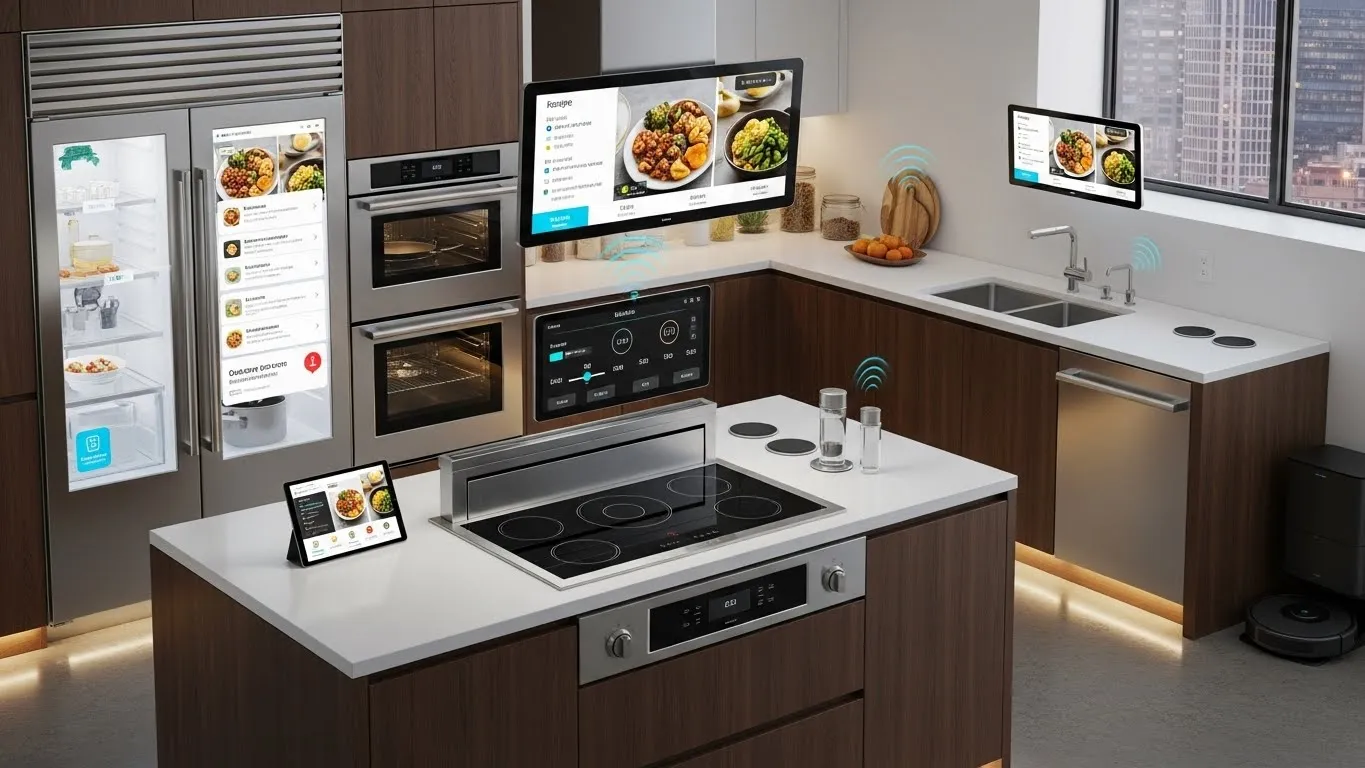
Beginner's Guide to Smart Home Automation and IoT Devices
Welcome to the exciting world of smart home automation and IoT devices! This comprehensive guide is designed to help beginners understand the fundamentals of transforming their living spaces into intelligent, connected environments. Smart home technology, powered by the Internet of Things (IoT), offers unparalleled convenience, enhanced security, and significant energy savings. Whether you're looking to automate your lighting, control your thermostat with your voice, or monitor your home remotely, getting started is easier than you might think. We'll explore the core concepts, essential devices, and practical steps to build your very own smart home ecosystem.
Key Points:
- Understanding the Basics: Learn what smart home automation and IoT devices truly are.
- Essential Components: Discover the core devices needed for a functional smart home.
- Step-by-Step Setup: Get practical advice on planning and installing your first smart devices.
- Benefits & Challenges: Explore the advantages and common hurdles of smart living.
- Future-Proofing: Understand emerging trends like the Matter standard for better compatibility.
Understanding Smart Home Automation and IoT Devices
Smart home automation and IoT devices refer to a network of physical objects embedded with sensors, software, and other technologies for the purpose of connecting and exchanging data with other devices and systems over the internet. In a smart home context, these devices work together to automate tasks, improve efficiency, and enhance comfort. Imagine your lights turning on automatically when you enter a room, or your thermostat adjusting based on your schedule and the weather. This seamless integration is the essence of smart home living.
The primary goal of smart home technology is to simplify daily routines and provide greater control over your environment. This can range from simple voice commands to complex routines that trigger multiple actions. The underlying principle is connectivity, allowing devices to communicate with each other and with you, often through a central hub or a cloud-based service. This interconnectedness is what makes your home "smart."
Key Components of a Smart Home Ecosystem
Building a functional smart home requires understanding its core components. These elements work in harmony to create a responsive and intelligent living space. Choosing the right components is crucial for a smooth home automation setup.
Central Hubs and Controllers
At the heart of many smart homes is a central hub. This device acts as a brain, allowing different smart devices, often from various manufacturers, to communicate with each other and be controlled from a single interface. Popular examples include Amazon Echo (with Zigbee hub), Google Nest Hub, and dedicated smart home hubs like SmartThings. While some devices can connect directly to Wi-Fi, a hub often provides greater reliability, local control, and expanded compatibility for a diverse range of IoT devices for beginners.
Smart Devices: The Building Blocks
Smart devices are the individual components that perform specific functions. They come in countless forms, each designed to make a particular aspect of your home smarter.
- Smart Lighting: These bulbs and switches can be controlled remotely, dimmed, and even change color. They offer energy efficiency and mood customization.
- Smart Thermostats: Devices like Nest or Ecobee learn your preferences, adjust temperatures automatically, and can be controlled via smartphone, leading to significant energy savings.
- Smart Security Systems: This category includes smart locks, cameras, door/window sensors, and video doorbells, providing enhanced peace of mind and remote monitoring capabilities.
- Smart Plugs: These simple devices turn any traditional appliance into a smart one, allowing you to control power remotely and set schedules.
- Voice Assistants: Amazon Alexa and Google Assistant are popular voice-controlled interfaces that allow you to interact with and manage your smart home devices using natural language commands.
Connectivity Protocols
Smart devices communicate using various wireless protocols. Understanding these helps in choosing compatible devices.
- Wi-Fi: Common for many standalone devices, but can consume more power and potentially overcrowd your network with many devices.
- Zigbee & Z-Wave: Low-power mesh networks ideal for smaller, battery-powered sensors and switches. They often require a dedicated hub.
- Bluetooth: Used for direct device-to-device communication, often for setup or proximity-based controls.
- Matter: An emerging industry standard designed to unify smart home devices across different brands and ecosystems, promising greater interoperability. This is a significant development for smart home technology moving forward.
Getting Started with Smart Home Automation: A Step-by-Step Guide
Embarking on your smart home journey doesn't have to be overwhelming. A methodical approach ensures a successful and enjoyable experience with getting started with smart home automation.
1. Define Your Needs and Goals
Before buying any devices, consider what you want to achieve. Are you looking for convenience, security, energy savings, or all three? Start small with one or two pain points. For example, if you always forget to turn off lights, smart lighting is a great starting point.
2. Choose Your Ecosystem
Decide on a primary ecosystem, such as Amazon Alexa, Google Home, or Apple HomeKit. Your choice will influence device compatibility and the user interface you'll interact with most often. Many devices are compatible with multiple ecosystems, but some are exclusive.
3. Start Small and Expand Gradually
Don't try to automate your entire home at once. Begin with a few devices that address your immediate needs. Smart lighting in one room or a smart thermostat are excellent initial steps. This allows you to learn the ropes without significant investment or complexity. For more detailed guidance on specific device types, readers can explore related articles on smart lighting solutions or smart thermostat reviews.
4. Installation and Setup
Most modern smart devices are designed for easy installation. Follow the manufacturer's instructions carefully. This usually involves downloading an app, connecting to your Wi-Fi or hub, and pairing the device. Many apps provide step-by-step visual guides.
5. Create Routines and Automations
Once your devices are set up, explore the automation features. You can create routines like "Good Morning," which might turn on lights, start your coffee maker (via a smart plug), and play the news. These automations are where the true power of smart living lies.
Addressing Common Challenges in Smart Home Setup
While the promise of a smart home is exciting, beginners might encounter a few hurdles. Being aware of these can help you navigate them effectively.
Interoperability Issues
Historically, different brands and ecosystems struggled to communicate seamlessly. A significant challenge has been getting devices from various manufacturers to work together. However, the introduction of the Matter standard in late 2022, backed by major industry players like Apple, Google, Amazon, and Samsung, is rapidly changing this landscape. Matter aims to create a universal language for smart home devices, significantly improving compatibility and simplifying the user experience. According to a 2024 report by the Connectivity Standards Alliance (CSA), the adoption of Matter-certified devices is projected to grow by over 300% in the next two years, indicating a strong move towards unified smart home ecosystems.
Network Reliability and Security
A stable Wi-Fi network is crucial for a smart home. Ensure your router can handle multiple connected devices and consider upgrading if you experience connectivity issues. Furthermore, securing your network is paramount. Use strong, unique passwords for all devices and regularly update firmware to protect against vulnerabilities. For more information on securing your home network, readers can explore related articles on cybersecurity best practices.
Privacy Concerns
With more devices collecting data, privacy is a valid concern. Research the privacy policies of manufacturers and understand what data your devices collect and how it's used. Opt for devices from reputable brands that prioritize user privacy.
Future Trends in Smart Home Technology
The smart home landscape is constantly evolving, promising even more sophisticated and integrated experiences. Keeping an eye on these trends can help you make informed decisions when choosing smart home devices.
Enhanced AI and Machine Learning
Future smart homes will leverage AI to anticipate needs more accurately, learning from your habits to optimize comfort, security, and energy use without explicit commands. Imagine a home that knows when you're about to arrive and pre-cools or pre-heats itself perfectly.
Advanced Sensor Integration
Beyond basic motion and temperature sensors, expect more sophisticated environmental monitoring, including air quality, sleep patterns, and even predictive maintenance for appliances. This will lead to truly proactive smart homes.
Energy Management and Sustainability
Smart homes will play an increasingly vital role in energy conservation. Integration with smart grids, dynamic energy pricing, and optimized device usage based on renewable energy availability will become standard features, contributing to a more sustainable lifestyle.
Frequently Asked Questions (FAQ)
What is the fundamental difference between smart home automation and IoT devices?
Smart home automation is the application of IoT devices specifically within a residential setting to control and automate home functions. IoT (Internet of Things) is a broader concept referring