Beginner's Guide to Smart Home Automation and IoT Devices
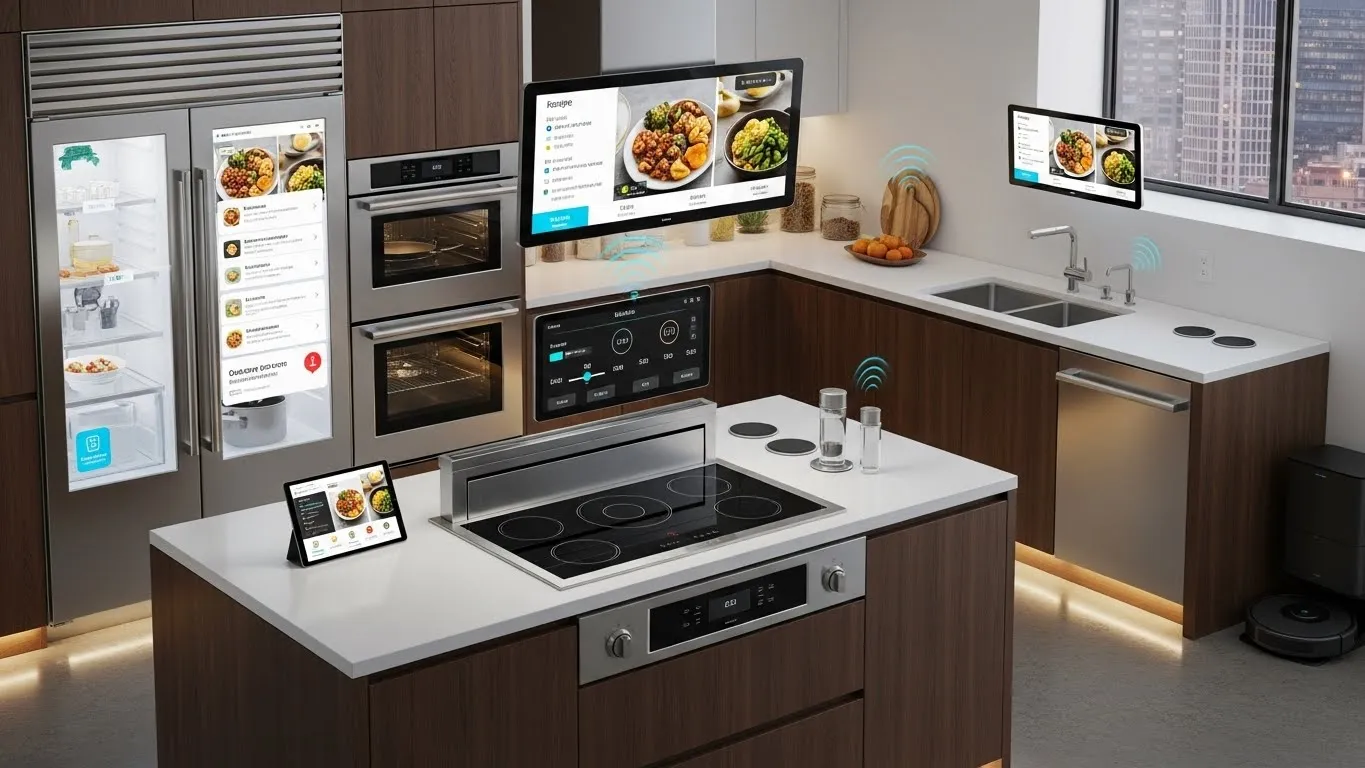
Welcome to the exciting world of smart home automation and IoT devices! This comprehensive beginner's guide is designed to demystify the technology, helping you transform your living space into a more convenient, efficient, and secure environment. Smart home automation, powered by interconnected IoT devices, offers unparalleled control over your home's various systems, from lighting and temperature to security and entertainment. Whether you're looking to save energy, enhance comfort, or simply enjoy the novelty of a voice-controlled home, understanding the fundamentals is your first step. We'll explore how these devices communicate, what popular options are available, and crucial considerations for setting up your own intelligent home.
Key Points:
- Smart Home Automation uses technology to control home functions.
- IoT Devices are the interconnected gadgets that make it possible.
- Start with a clear understanding of your needs and a phased approach.
- Compatibility and security are crucial for a successful setup.
- Enjoy enhanced convenience, efficiency, and peace of mind.
Understanding Smart Home Automation and IoT Devices
Smart home automation refers to the automatic control of electronic devices in your home, allowing them to communicate with each other and be managed remotely. This system is built upon the foundation of the Internet of Things (IoT), a network of physical objects embedded with sensors, software, and other technologies for the purpose of connecting and exchanging data with other devices and systems over the internet. Essentially, IoT devices are the components, and smart home automation is the system that leverages them.
The core value proposition of smart home automation and IoT devices lies in their ability to simplify daily tasks, improve energy efficiency, and bolster home security. Imagine your lights turning on automatically when you arrive home, your thermostat adjusting to your preferred temperature before you wake up, or receiving alerts if a door is left ajar. These conveniences are no longer futuristic concepts but everyday realities, making our lives significantly easier and more comfortable.
Getting Started with Smart Home Automation: Essential Steps
Embarking on your smart home journey doesn't have to be overwhelming. A strategic, phased approach is often the most effective way for beginners to integrate smart home automation. First, assess your needs and priorities. Do you want to save energy, enhance security, or simply add convenience? Identifying your primary goals will help you choose the right devices and avoid unnecessary purchases.
Next, consider your ecosystem or hub. Many smart devices operate within specific platforms like Apple HomeKit, Google Home, or Amazon Alexa. Choosing one early on can simplify integration and ensure compatibility as you expand. While some devices can operate independently, a central hub often provides a more seamless and powerful automation experience. Finally, start small. Begin with one or two devices that address your most pressing needs, such as smart lighting or a smart thermostat, and gradually build your system as you become more comfortable with the technology. This approach minimizes complexity and allows you to learn at your own pace.
Popular Smart Home IoT Devices for Beginners
For those new to smart home automation, several IoT devices offer an excellent entry point due to their ease of installation and immediate benefits. Smart lighting systems, like Philips Hue or Govee, allow you to control brightness, color, and schedules from your phone or voice assistant, often without needing a central hub. They are a fantastic way to set the mood and save energy.
Smart thermostats, such as Nest or Ecobee, learn your preferences and optimize heating and cooling, leading to significant energy savings. A 2023 report from a leading energy efficiency institute highlighted that smart thermostats can reduce energy consumption by up to 15% annually in residential settings. Smart plugs are incredibly versatile, transforming any ordinary appliance into a smart device by allowing you to control its power remotely. Finally, voice assistants like Amazon Echo or Google Nest Hub serve as the central command center for many smart homes, enabling hands-free control of all your connected devices. For enhanced security, a basic smart security camera can provide peace of mind with remote monitoring capabilities.
Building Your Smart Home Ecosystem: Integration and Compatibility
The true power of smart home automation emerges when your IoT devices work together seamlessly. This requires careful consideration of integration and compatibility. Historically, different brands and platforms often struggled to communicate, leading to fragmented smart home experiences. However, the introduction of the Matter standard in late 2022 has been a significant game-changer. Matter aims to create a universal language for smart home devices, allowing products from various manufacturers to work together effortlessly. When purchasing new devices, looking for Matter certification is a smart move to future-proof your setup.
Beyond Matter, understanding the major smart home ecosystems is vital. Apple HomeKit offers robust privacy features and deep integration with iOS devices. Google Home provides a user-friendly interface and strong AI capabilities, while Amazon Alexa boasts a vast array of compatible devices and skills. Samsung SmartThings offers a comprehensive platform for a wide range of devices, often acting as a versatile hub. Choosing an ecosystem and prioritizing devices compatible with it will simplify the process of creating routines and automations. For example, you can set a "Goodnight" routine that locks doors, turns off lights, and adjusts the thermostat with a single command. Readers interested in exploring specific ecosystem benefits can find more details in our dedicated articles on smart home platforms.
Advanced Smart Home Automation: Scenarios and Benefits
Once you've mastered the basics, you can delve into more sophisticated smart home automation scenarios that truly elevate your living experience. These advanced setups often involve combining multiple IoT devices and creating complex, conditional routines. For instance, a "Welcome Home" scene could disarm your security system, unlock the front door, turn on specific lights, and start your favorite playlist, all triggered by your smartphone's proximity or a specific time of day.
Beyond convenience, advanced automation offers substantial benefits in energy management and remote monitoring. Smart blinds can automatically adjust to block sunlight during peak heat hours, reducing cooling costs. Motion sensors can trigger lights only when a room is occupied, saving electricity. From an expert perspective, the ability to monitor and control your home's energy consumption in real-time provides invaluable insights for optimizing efficiency. Furthermore, remote monitoring capabilities, often integrating smart cameras and door/window sensors, allow you to keep an eye on your property from anywhere in the world, providing unparalleled peace of mind.
Addressing Security and Privacy in Smart Home IoT
While smart home automation offers incredible benefits, it's crucial to address the inherent security and privacy challenges associated with IoT devices. Every connected device presents a potential entry point for malicious actors if not properly secured. The first line of defense is always strong, unique passwords for all your smart devices and Wi-Fi network. Avoid default passwords at all costs.
Regularly updating device firmware and software is equally important, as manufacturers frequently release patches to fix vulnerabilities. A 2024 report by a leading cybersecurity firm highlighted that outdated firmware is a common vector for IoT device exploitation. Consider network segmentation by creating a separate guest network for your smart devices, isolating them from your primary home network. This limits potential damage if a smart device is compromised. Finally, be mindful of data privacy. Understand what data your devices collect, how it's used, and review privacy policies. Opt for devices from reputable brands that prioritize user privacy. For a deeper dive into smart home security, explore our articles on cybersecurity best practices.
FAQ Section
Q1: What is the primary difference between smart home automation and IoT devices?
Smart home automation refers to the overarching system and processes that allow electronic devices in your home to be controlled automatically or remotely. IoT devices, on the other hand, are the individual physical objects (like smart bulbs, thermostats, or speakers) embedded with sensors and software that connect to the internet to collect and exchange data. Essentially, IoT devices are the building blocks that enable smart home automation.
Q2: Do I need a central hub for smart home automation?
While many modern IoT devices can operate independently or connect directly to your Wi-Fi network, a central smart home hub is often recommended, especially as you expand your system. A hub acts as a bridge, allowing devices from different manufacturers and protocols (like Zigbee or Z-Wave) to communicate seamlessly. It can also enable more complex automation routines and improve overall system reliability and responsiveness.
Q3: How much does it cost to start a smart home?
The cost of starting a smart home varies widely depending on your goals and chosen devices